Understanding the Main Window Operating Styles
Each window style operates differently, and that affects energy efficiency, airflow, cleaning, maintenance, and everyday use. A window that works beautifully in a living room may not be the best choice above a kitchen sink or in a bedroom.
Double-hung windows use two vertical sashes. Casement windows swing outward using a crank. Sliding windows move side to side along a track. Picture windows do not open, but they provide large views and strong efficiency. Awning windows hinge at the top and open outward from the bottom.
The best choice often comes down to the room, the rough opening, the exterior clearance, and how much ventilation you actually want.
Casement Windows
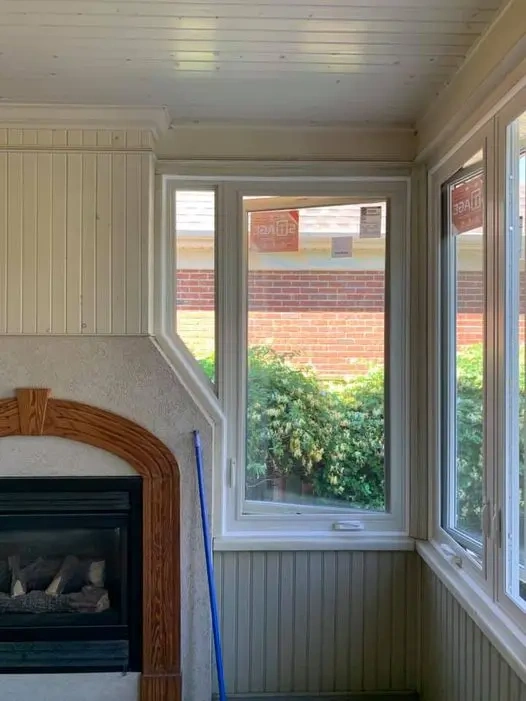
Casement windows hinge on one side and swing outward like a door. They are operated with a crank handle and can open wide, which gives homeowners excellent airflow and strong ventilation control.
From an efficiency standpoint, casement windows are one of the strongest operating window choices. When closed, the sash compresses tightly against the weatherstripping, helping reduce drafts and air leakage.
They are a smart option for homeowners who want strong sealing performance during cold Niagara winters, especially in bedrooms, kitchens, living rooms, and areas where comfort matters.
The main limitation is exterior clearance. Because casement windows swing outward, they may not be ideal where they open into walkways, decks, shrubs, or tight exterior spaces.
Double-Hung Windows
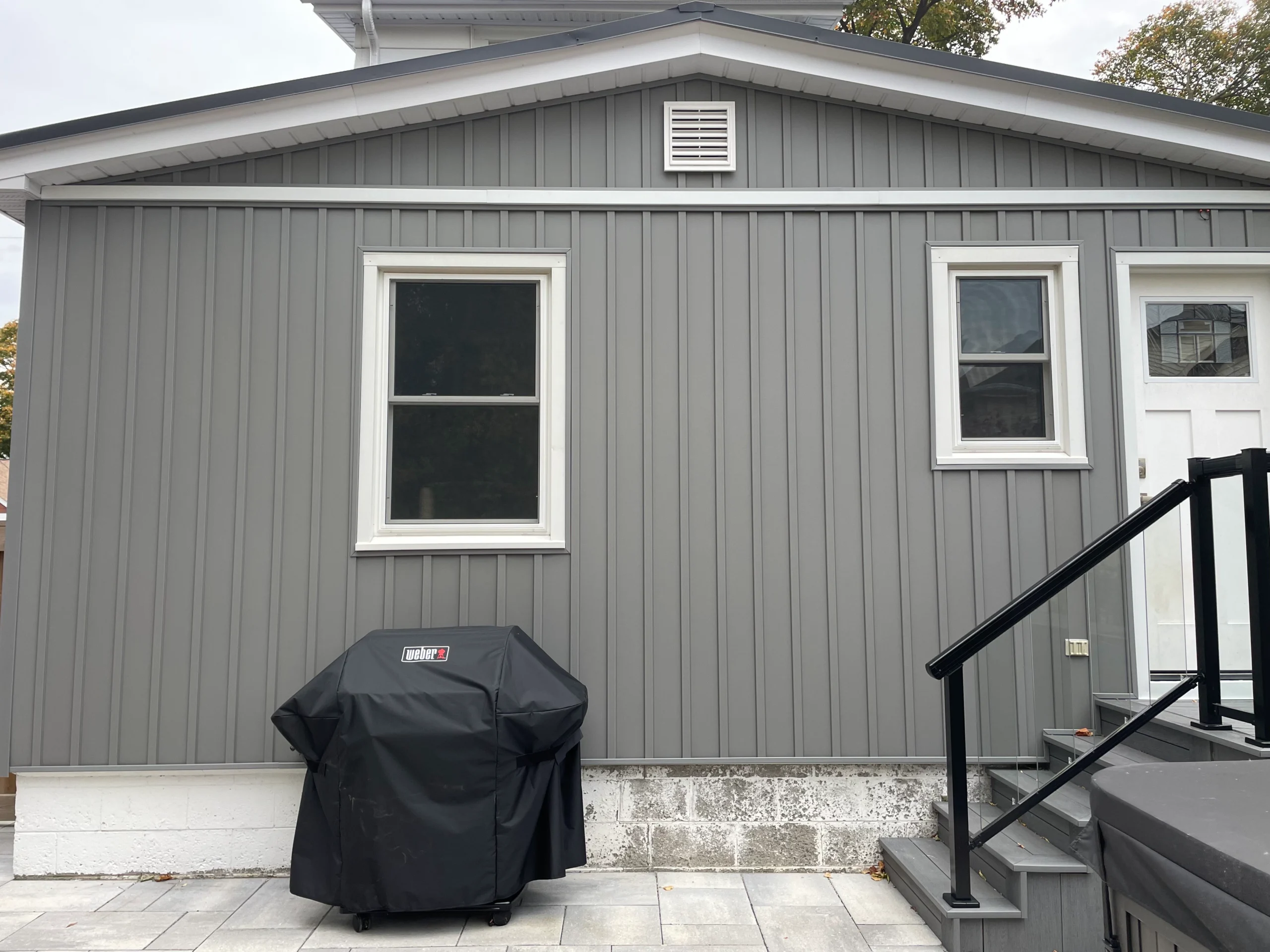
Double-hung windows feature two sashes that slide vertically inside the frame. Both the upper and lower sections can move, allowing homeowners to open from the top, bottom, or both for more flexible airflow.
This style is popular in older homes and traditional architectural designs because it keeps a classic look while still allowing modern upgrades in glass, efficiency, and operation.
Many modern double-hung windows tilt inward, which makes cleaning easier from inside the home — especially on upper floors. That can be a major benefit for homeowners who want easier maintenance.
The tradeoff is that double-hung windows have more moving contact points than casement or fixed windows. Over time, hardware quality, balance systems, and proper installation become very important.
Sliding Windows
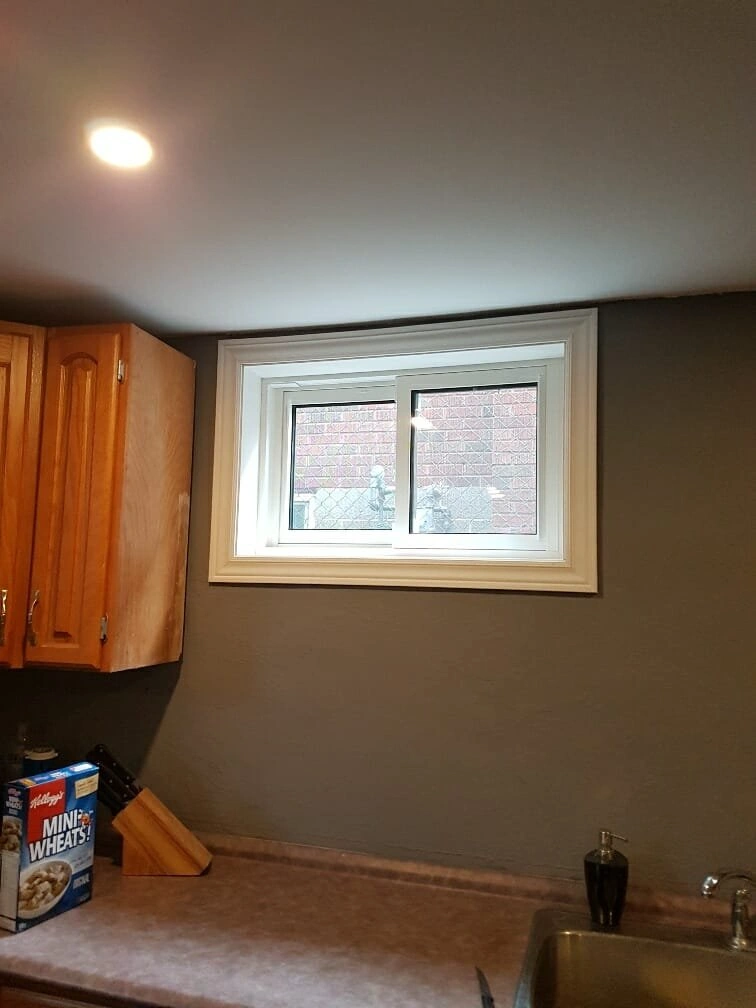
Sliding windows move horizontally along tracks. Most designs include one fixed panel and one operating panel, making them simple, practical, and easy to use.
Since sliding windows do not swing outward, they are a good fit for areas where exterior space is limited. They can work well near decks, walkways, patios, landscaping, or other areas where a casement window may be awkward.
They are often used in wide openings and contemporary home designs. Their simple operation also makes them convenient for homeowners who want a window that slides open without cranks or lifting.
The tradeoff is ventilation. Since one panel often remains fixed, only part of the opening is usually available for airflow. Tracks also need occasional cleaning to keep operation smooth.
Picture Windows
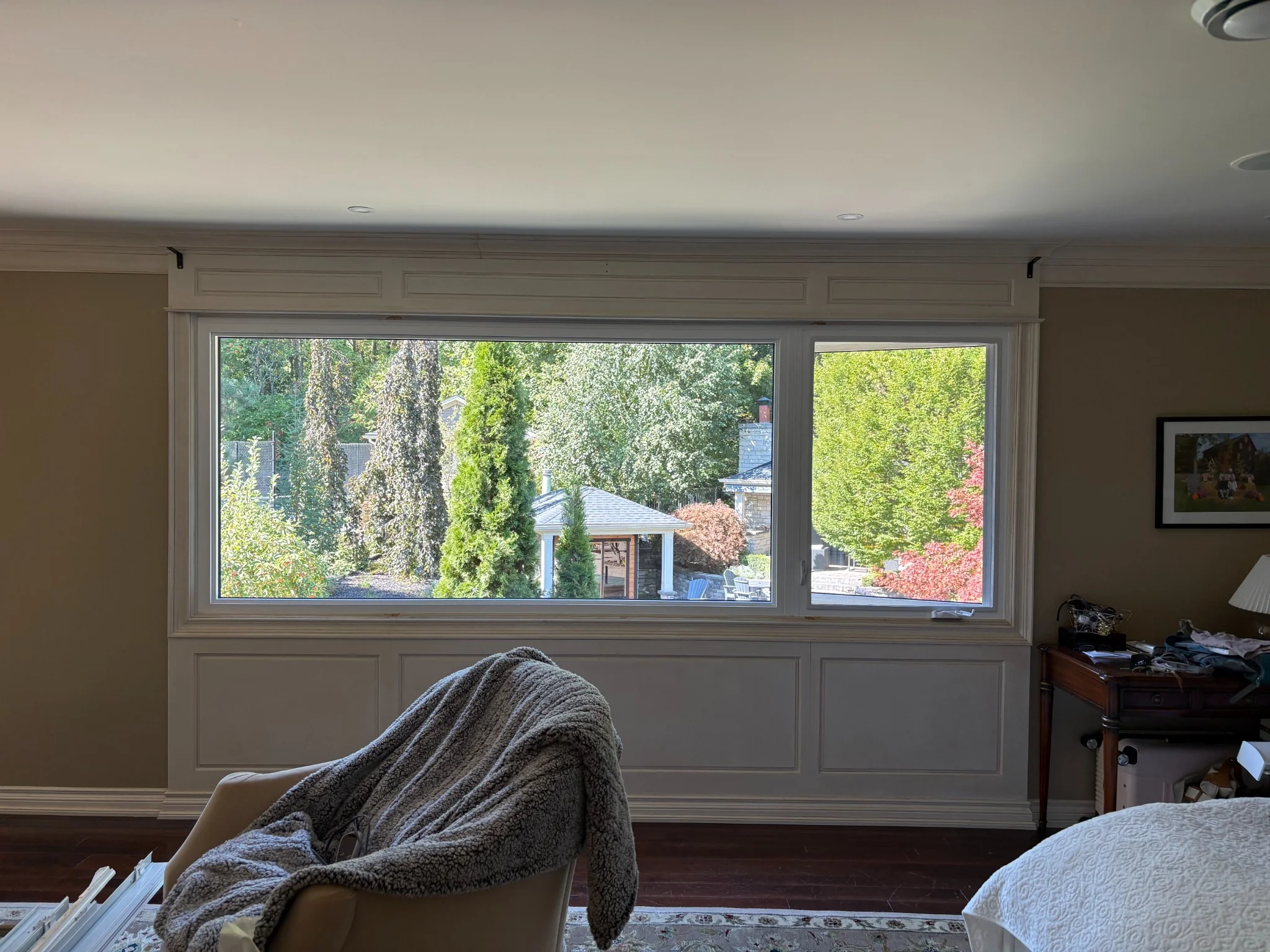
Picture windows are fixed windows that do not open. They are designed to maximize natural light, improve views, and create a clean, open appearance.
Since picture windows have no operating hardware, they can provide excellent thermal performance. Fewer moving parts means fewer places for air to leak when the window is properly installed.
Picture windows are often used in living rooms, front-facing walls, and larger feature openings. They are also commonly combined with casement or sliding windows nearby so homeowners can enjoy both natural light and ventilation.
The obvious limitation is that picture windows do not open, so they are best used where airflow is not the main priority or where another operating window is close by.
Awning Windows
Awning windows hinge at the top and open outward from the bottom. They are often used in bathrooms, kitchens, and smaller spaces where homeowners want ventilation in a compact area.
Because of the way they open, awning windows can often stay partially open during light rain while still allowing air to move through the room.
They also work well above or beside other window styles as part of a larger design. The main thing to consider is exterior clearance, since they still open outward.

Climate Considerations for Niagara Homes
Niagara homes deal with cold winters, wind, humidity, rain, and seasonal temperature swings. That makes window performance more important than simply choosing a style that looks good.
Casement windows often perform well in colder climates because of their compression-style seal. Sliding and double-hung windows can still perform well, but their moving tracks and sash contact points make product quality and installation even more important.
Homeowners who want to understand broader construction standards can review the National Building Code of Canada 2020.
Which Window Style Is Most Energy Efficient?
In many cases, casement windows offer the strongest air-sealing performance among operating window styles because the sash pulls tightly against the frame when locked.
Picture windows can also be extremely efficient because they do not open. With no operating hardware or moving sash, there are fewer air leakage points.
That said, energy efficiency is not only about the window style. Glass package, frame quality, proper measurements, insulation, sealing, and installation workmanship all affect long-term performance.
Installation Matters More Than Most Homeowners Realize
Even high-quality windows can underperform if they are installed incorrectly. Drafts, moisture problems, poor insulation, and premature failures are often caused by installation issues rather than the window product itself.
Proper measuring, insulation, leveling, sealing, and finishing all affect long-term performance. That is why choosing an experienced installation company matters just as much as choosing the window style itself.
Practical Considerations: Cleaning, Maintenance & Everyday Use
Day-to-day operation matters. Casement windows are easy to crank open. Sliding windows are simple to slide side to side. Double-hung windows offer tilt-in cleaning options, but heavier sashes can become harder to operate over time if the balance system wears down.
Sliding window tracks should be kept clean for smooth operation. Casement hardware should be used properly and not forced. Double-hung windows depend heavily on balance systems and sash alignment.
The best window style is one that fits the room, performs well, and is easy for the homeowner to use over the long term.
Mixing Window Styles Often Works Best
Many homes benefit from a combination of window styles. A large picture window can bring in light and views, while casement windows beside it provide airflow. Sliding windows may work better in wide spaces. Double-hung windows may suit traditional elevations.
You do not always need equal-sized windows either. Sometimes a large fixed section with a smaller operating section gives the best balance of view, efficiency, and ventilation.
The right design should consider proportions, room use, exterior clearance, airflow, and curb appeal.
Get Help Choosing the Right Window Style
If you are planning a window replacement project, Great Northern Home Exteriors can help you compare window styles, understand the pros and cons, and choose options that fit your home, budget, and comfort goals.
We provide professional window replacement throughout Niagara, including Welland windows and Niagara Falls windows.