
Mitten Vinyl Siding for Your Home
Compare Mitten siding profiles, colours and exterior design options, including traditional horizontal siding and board-and-batten. See what changes the finished look and what to consider before choosing siding for your home.
- Mitten Vinyl Siding
- Horizontal & Board-and-Batten
- 5-Year Workmanship Warranty
Siding Guide
What Would You Like to Compare?
Start with the part of the project that matters most to you. Compare siding styles, Mitten product options, colours, installation details, completed projects and warranty coverage before deciding what fits your home.
Siding Styles
Compare horizontal siding, vertical profiles and board-and-batten, and see how each changes the look and proportions of a home.
Mitten Products
Explore the Mitten siding lines GNHE offers and compare profile choices, appearance and available design options.
Colours & Finishes
See how siding colour works with brick, stone, roofing, windows, doors, soffit, fascia and exterior trim.
Installation System
Understand what happens behind the finished siding, including wall preparation, insulation, flashing and finishing details.
Real Projects
Look at completed GNHE siding projects to compare profiles, colour combinations and exterior design choices on real homes.
Warranty & Support
Understand the difference between manufacturer product coverage and GNHE's 5-year workmanship warranty.
Before You Choose
What Should You Consider When Replacing Siding?
New siding changes more than the colour of a house. Before choosing a profile or finish, it helps to look at the existing exterior, the materials that are staying, the condition underneath the siding and how all of those pieces will work together.
Condition of the Existing Exterior
Loose, damaged or aging siding is only part of the picture. The condition of the wall surface underneath can affect the preparation required before the new exterior is installed.
Siding Profile & Direction
Horizontal siding, vertical siding and board-and-batten create different lines and proportions. The right choice depends on the house itself and the look you want to achieve.
Existing Brick, Stone & Roofing
Materials that are staying on the home should influence the siding decision. Colour and profile choices need to work with the roof, masonry and other permanent exterior finishes.
Windows, Doors & Exterior Trim
Window frames, entry doors, soffit, fascia and trim all become part of the finished exterior. Looking at them together helps avoid choosing siding in isolation.
What Goes Behind the Siding
Wall preparation, insulation, flashing and finishing details are largely hidden once the job is complete, but they are important parts of the siding installation.
Full Exterior or Accent Areas
One profile does not have to cover the entire house. Board-and-batten or other contrasting siding can be used on gables, upper sections and architectural features alongside horizontal siding.
A good siding decision starts with the whole exterior—not simply picking a colour from a sample.
Siding Styles
Compare Horizontal, Vertical & Board-and-Batten Siding
Siding profile changes more than the direction of the panels. It affects the proportions, lines and overall appearance of the exterior. Compare the main styles before deciding where each one makes sense on your home.
Horizontal Siding
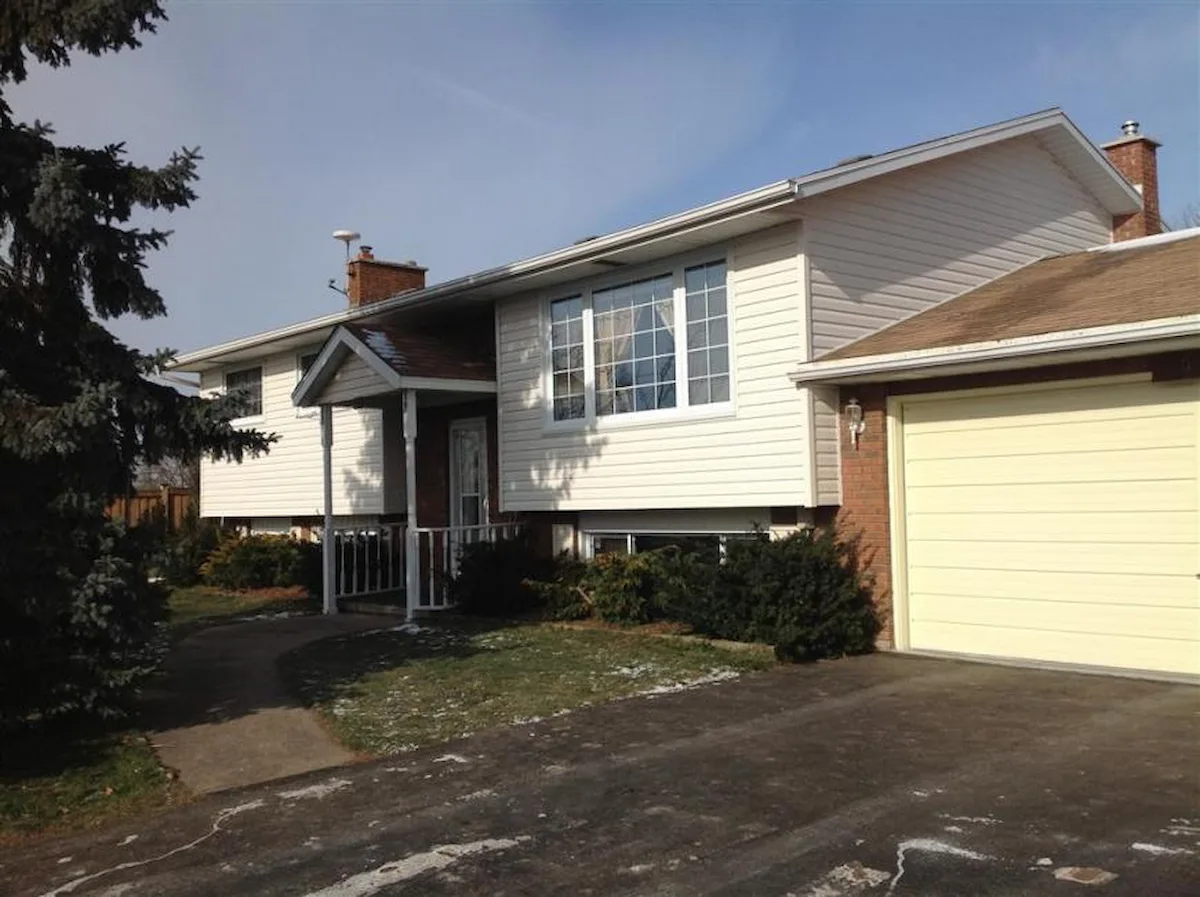
Horizontal siding creates long continuous lines across the exterior. It works naturally on many home styles and is available in traditional lap and Dutchlap profiles.
Vertical Siding
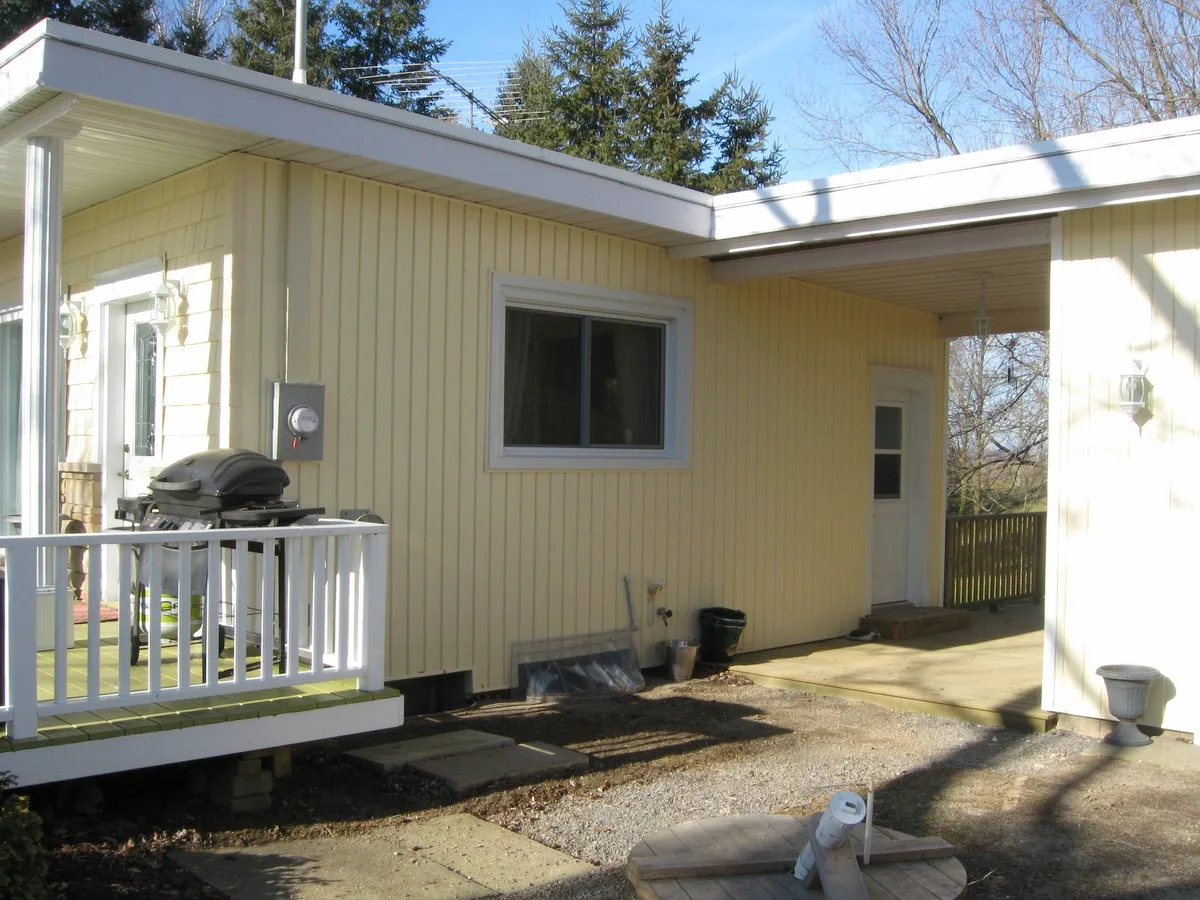
Vertical siding changes the direction of the exterior lines and can emphasize height. It can be used across larger wall areas or where the architecture provides a natural place for a vertical treatment.
Board & Batten
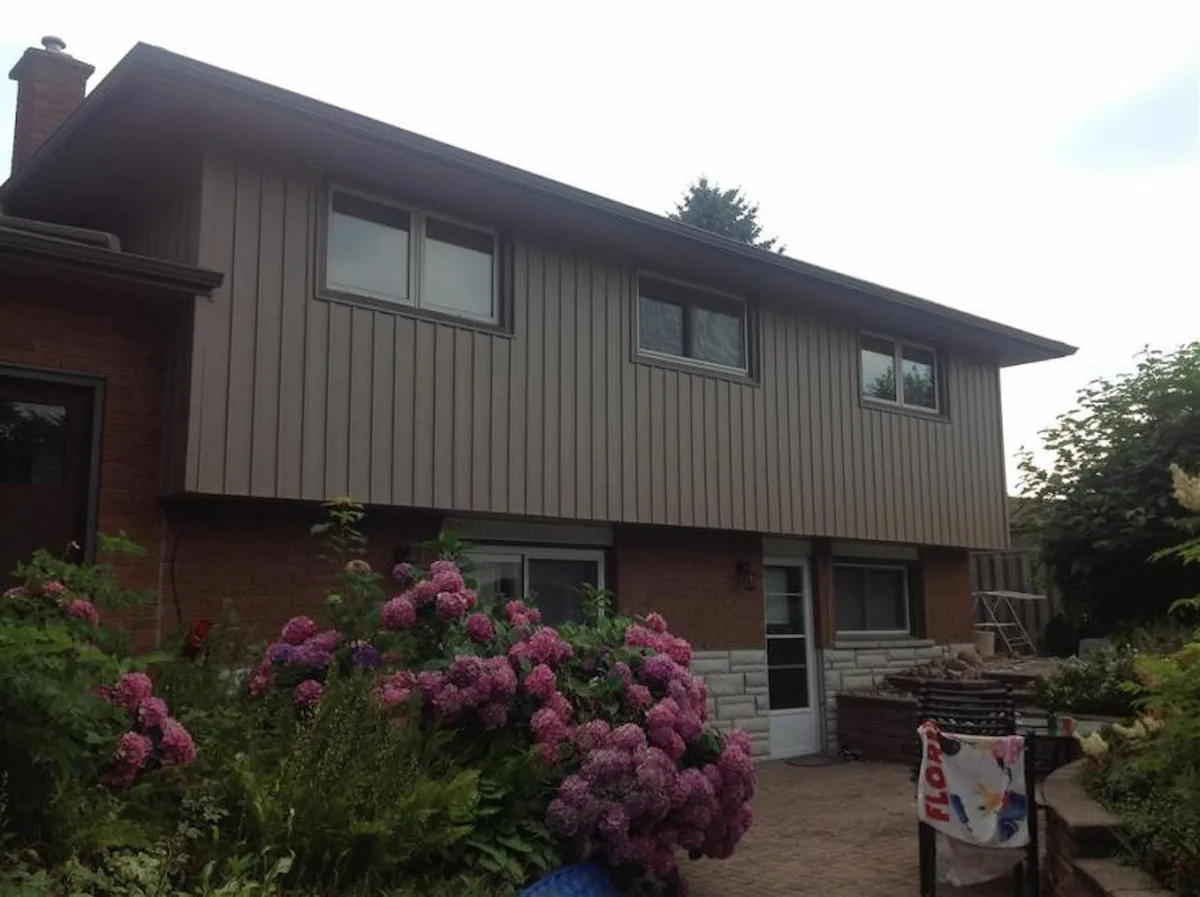
Board-and-batten uses wider vertical panels with raised battens to create stronger shadow lines and definition. It can be used as the main siding or to distinguish gables and other architectural areas.
You do not have to use one siding profile everywhere. Horizontal and vertical profiles can be combined when the change follows the architecture of the house rather than being added simply for contrast.
Mitten Vinyl Siding
Compare Mitten Siding Product Lines
Mitten offers several vinyl siding series with different panel thicknesses, profiles and colour selections. The right choice is not simply the thickest panel—it should also provide the profile and exterior design options that make sense for your home.
Sentry
.044" nominal thickness
Sentry is Mitten's .044-inch vinyl siding series and includes traditional horizontal profiles as well as board-and-batten. It is worth comparing when profile choice and a more substantial panel are priorities.
- Double 4" horizontal profile
- Double 4.5" Dutchlap profile
- Board-and-batten profile
- Multiple colour options
Highland
.042" nominal thickness
Highland provides a broad selection of profiles in Mitten's vinyl siding range. Its horizontal and Dutchlap choices provide more flexibility when comparing the width and appearance of the siding.
- Six available profiles
- Horizontal profile choices
- Dutchlap profile choices
- Satin wood-grain appearance
Oregon Pride
.040" nominal thickness
Oregon Pride is Mitten's traditional .040-inch siding line. It offers familiar profiles and is useful to compare when a project calls for traditional horizontal, Dutchlap or vertical siding.
- Double 4" horizontal
- Double 4" and 4.5" Dutchlap
- Double 5" vertical profile
- Subtle wood-grain appearance
Don't choose siding by thickness alone. Profile, colour, the design of the house and the details of the installation all affect which siding makes sense for a particular project.
View Mitten Vinyl Siding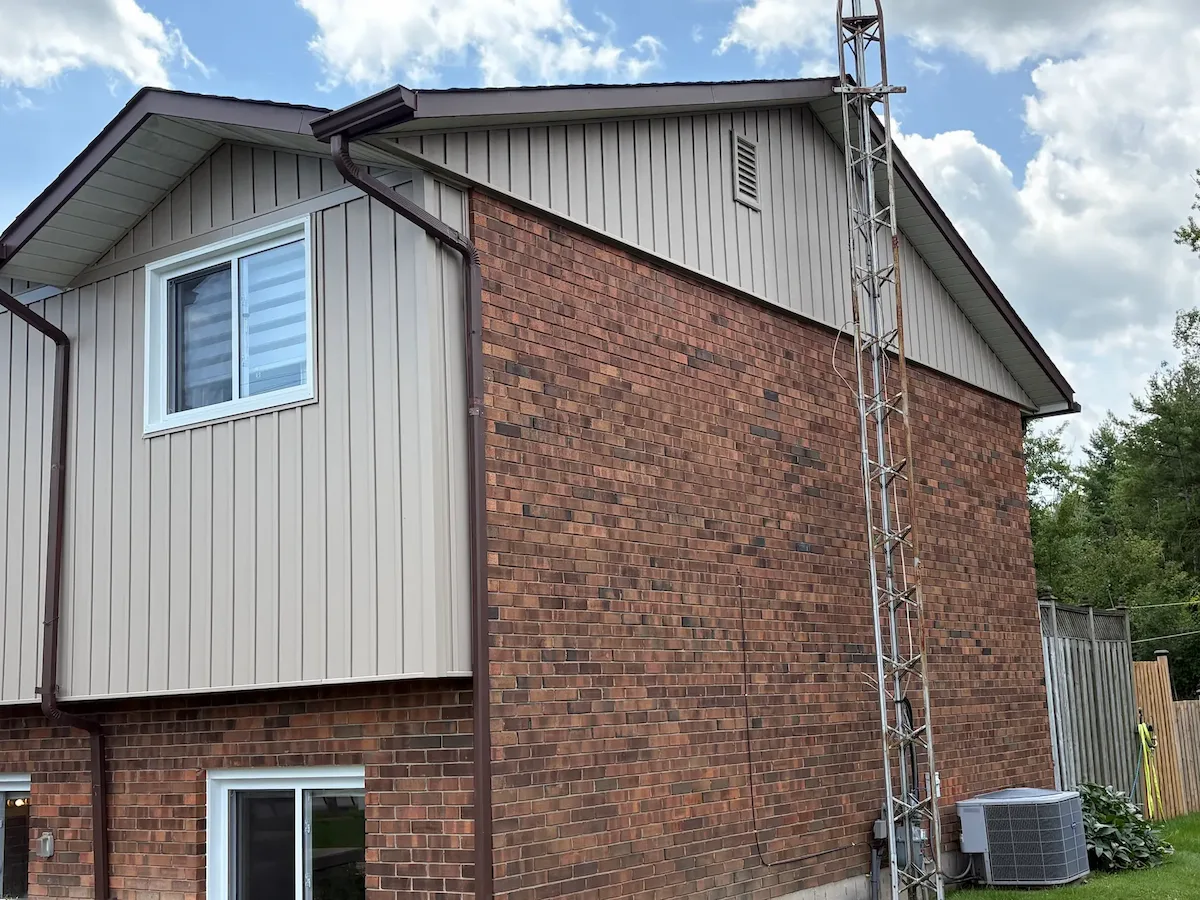
Board & Batten
Where Board & Batten Siding Works Best
Board-and-batten siding creates strong vertical lines, so where it is used matters just as much as the colour. It can cover an entire exterior, but it is also effective when used to separate architectural sections or work alongside existing materials such as brick and stone.
- Full elevations: Works well when you want a consistent vertical appearance across a larger section of the home.
- Gables and upper sections: Vertical lines can help distinguish upper portions of the house from the main exterior below.
- With existing brick or stone: Board-and-batten can update siding areas without removing masonry that is still in good condition.
- Mixed with horizontal siding: Combining profiles can create separation between different parts of the exterior without introducing another material.
The goal is not to add as many siding styles as possible. A simpler combination usually works better when the profile changes follow the actual shape and structure of the house.
Siding Colours
Choose Siding Colour Around What Is Staying
Siding colour should be chosen as part of the whole exterior, not from a sample by itself. Brick, stone, roofing, windows, doors, soffit, fascia and trim all affect how a colour looks once it is installed across a much larger area.
- Start with permanent materials. If brick, stone or roofing is staying, use those colours as the starting point rather than trying to work around them afterward.
- Look at the window and door colours. White, black, brown and other frame colours can create very different levels of contrast against the same siding.
- Check samples outside. Natural daylight can make a siding colour look noticeably different than it does indoors or under showroom lighting.
- Remember that scale changes colour. A small sample can appear darker, brighter or more intense once that colour covers an entire wall or gable.
- Use contrast deliberately. Trim and accent colours work best when they help define the home rather than competing with every other exterior material.
The safest way to narrow down siding colours is to compare them directly against the materials already on the house before making the final decision.
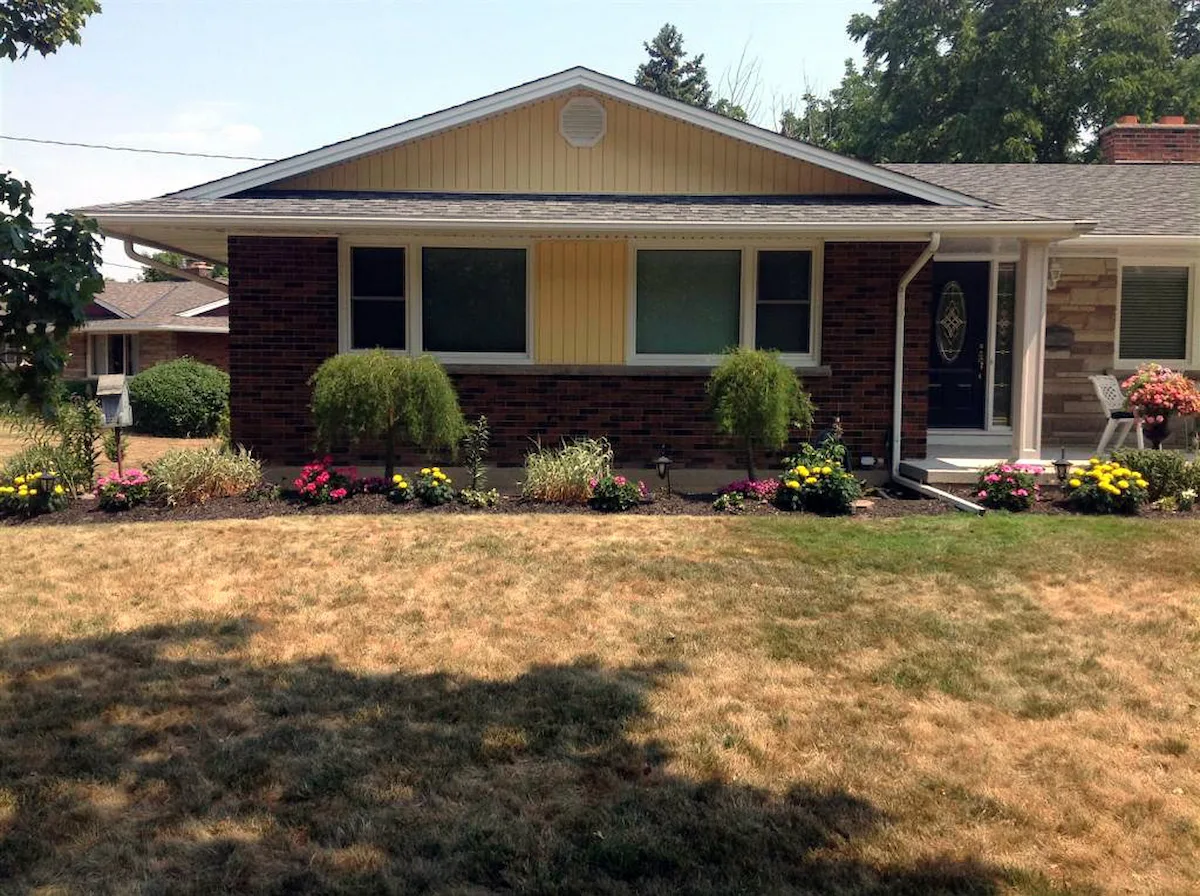
This project shows how a warmer siding colour can be considered alongside existing brick, roofing, white trim and a darker entry door rather than choosing the siding colour in isolation.
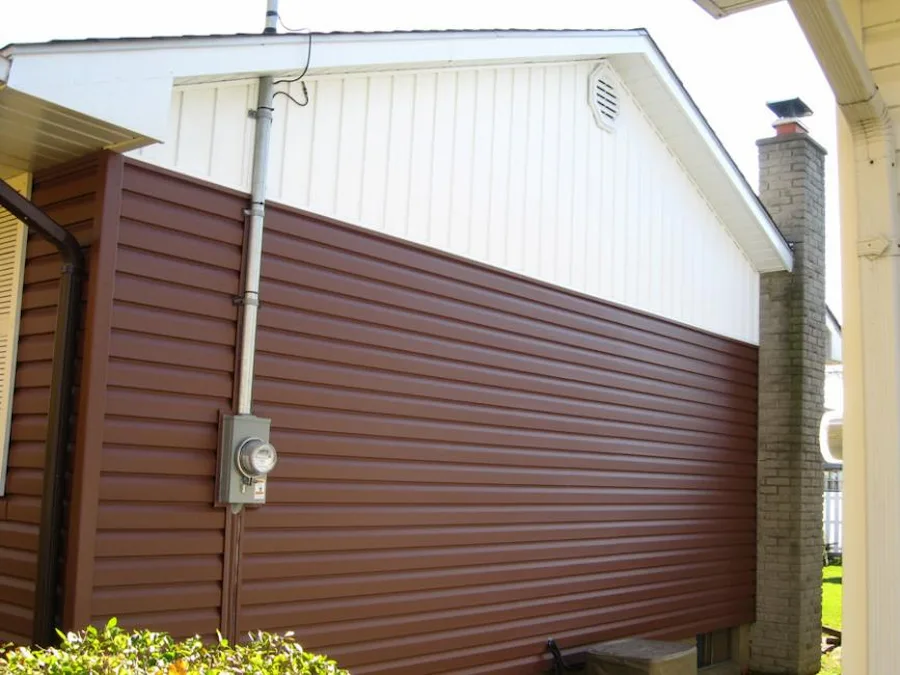
Brown horizontal siding across the main wall with white board-and-batten following the shape of the gable.
Mixing Siding Styles
Use Profile Changes Where the House Gives You a Reason
More than one siding profile can work well on the same home, but the transition should make sense. Gables, upper sections, additions and other changes in the structure provide natural places to introduce board-and-batten, horizontal siding or another exterior material.
- Horizontal siding with board-and-batten: Use horizontal siding across the main walls and board-and-batten to define a gable, upper level or feature area.
- Work with existing brick or stone: Masonry that remains in good condition can stay part of the exterior rather than being treated as something that has to disappear.
- Follow architectural breaks: Profile changes usually look more intentional when they line up with an actual change in the shape of the house.
- Do not force a second colour: Changing the siding direction may provide enough contrast without adding another colour to the exterior.
The strongest mixed exteriors usually have one dominant siding treatment, with the secondary profile used to support the architecture rather than compete with it.
Siding Installation
What’s Behind Your New Siding?
The siding is what you see when the job is finished. Before those panels go on, the exterior needs to be prepared so the new siding, insulation and finishing details can work together as one system.
Wall Preparation
The existing exterior is assessed and the wall surface is prepared for the materials being installed over it.
Insulation
Exterior insulation can be installed before the siding, creating a continuous layer across the areas being covered.
Flashing & Details
Windows, doors, corners and transitions need careful detailing before those areas disappear behind the finished exterior.
Finished Siding
The siding and trim are installed over the prepared exterior, creating the finished surface you see when the project is complete.
The finished siding is what you see. The preparation, insulation and detailing underneath are the parts you don't want skipped.
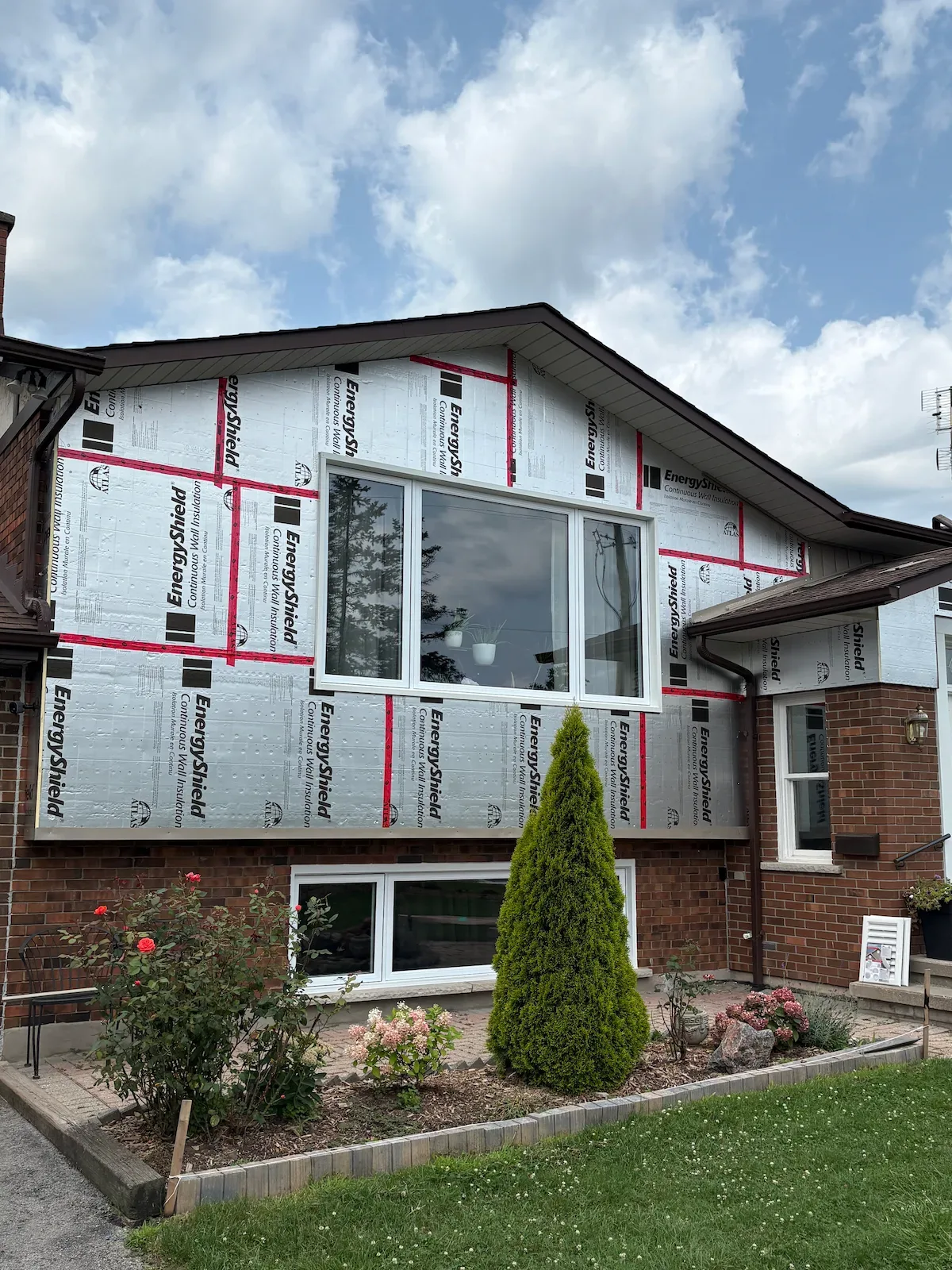 Before Siding
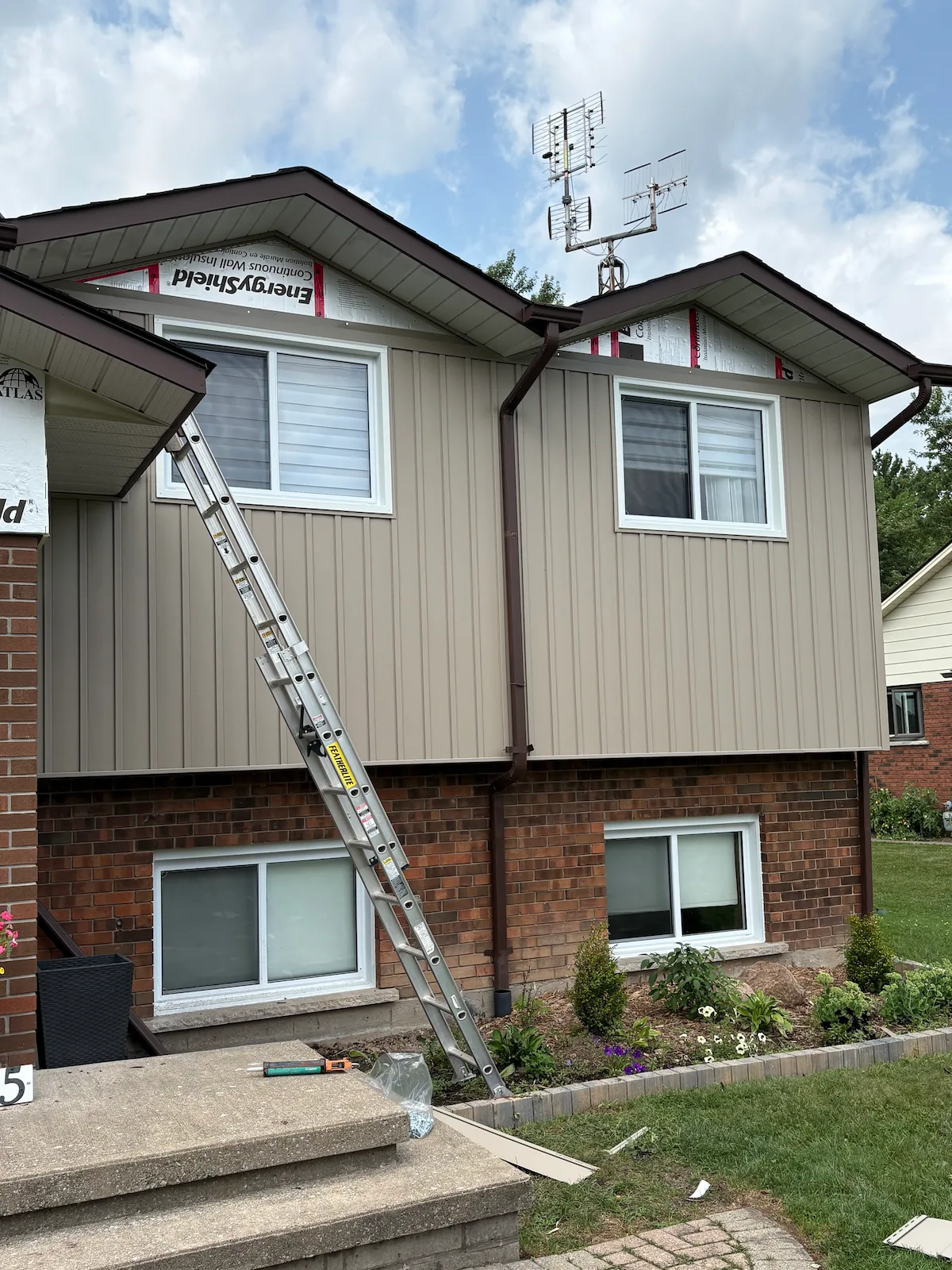 Installation In Progress
A real GNHE siding project showing the exterior insulation before it is covered and the board-and-batten installation as the work progresses.
Exterior Insulation
What Does Rigid Insulation Under Siding Actually Do?
Rigid insulation installed over the exterior wall adds another layer between the home and the outdoors. It can improve the wall assembly while creating a more continuous surface before the new siding is installed.
It Works Differently Than Insulation Between the Studs
Insulation inside a wall is interrupted by the wood framing. Exterior rigid insulation runs across a much larger portion of the wall surface, helping reduce those direct paths for heat to move through the framing.
It also becomes part of the exterior assembly underneath the new siding. The exact insulation used and how the wall is prepared depends on the existing home and the scope of the siding project.
Adds Insulation Value
Exterior rigid insulation adds another insulating layer between the conditioned interior of the home and outdoor temperatures.
Reduces Thermal Bridging
Covering more of the exterior wall helps reduce direct heat transfer through wall framing.
Creates a More Continuous Layer
Rigid insulation can cover larger areas of the exterior without the regular interruptions found between insulated wall cavities.
Becomes Part of the Siding System
The insulation, wall preparation, flashing, siding and trim all need to work together as part of the finished exterior.
Damage, moisture concerns or deteriorated materials discovered during the project should be addressed before the exterior is covered with new siding.
GNHE may use rigid exterior insulation products from established manufacturers such as Johns Manville, depending on the project requirements and existing wall assembly.
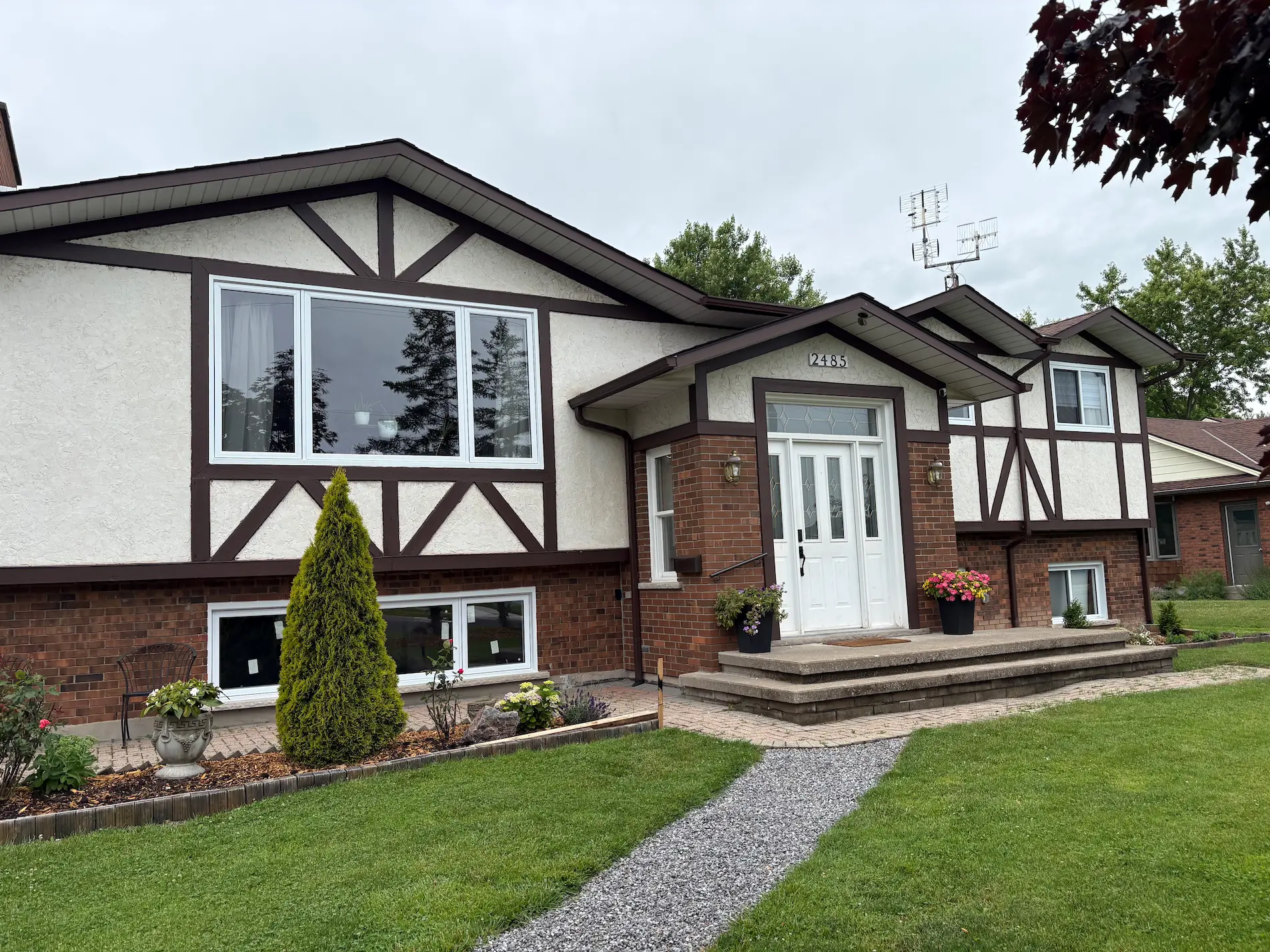
A GNHE siding project before the existing exterior was updated.
Existing Siding
Does Your Siding Need Replacing?
Older siding does not automatically need to be replaced. The better question is whether the existing exterior is still performing properly, how much repair it needs and whether you are satisfied with its appearance.
- Cracked or Broken Panels Isolated damage may sometimes be repairable. Widespread cracking or repeated failures can point toward a larger replacement project.
- Loose, Warped or Buckled Siding Panels that are no longer sitting properly should be inspected to determine whether the problem is limited or more extensive.
- Repeated Repairs If sections of the exterior keep needing attention, replacing the affected siding may make more sense than continuing to patch it.
- Problems Around Windows, Doors or Trim Open joints, damaged trim or deteriorated areas around exterior openings are worth examining before new materials cover them.
- You Simply Want to Update the Exterior Siding can still be functional while looking dated. Replacement can also be an appearance decision rather than a repair decision.
Fading or an older colour does not automatically mean your siding has failed. Condition, repair history and what is happening underneath matter more than appearance alone.
Siding Pricing
What Affects the Cost of New Siding?
Siding prices are not based on square footage alone. The siding you choose, the condition of the existing exterior, the amount of preparation required and the installation details all contribute to the final cost.
What Are You Actually Paying For?
A siding estimate includes more than the finished panels. Material, removal, preparation, insulation where required, trim and installation time all need to be considered.
Comparing two quotes by total price alone can be misleading. One may include preparation or finishing details that another does not, so the scope of work matters.
Size of the Exterior
Larger siding areas require more material and installation time, but wall area is only one part of the calculation.
Siding Profile & Installation Time
Board-and-batten generally takes longer to install than horizontal siding because of its vertical layout, alignment, cuts and finishing details.
Combining Siding Profiles
Mixing horizontal siding with board-and-batten can add transitions, cuts and finishing work where the profiles meet.
Existing Siding & Removal
Removing existing materials and preparing the exterior adds work before the new siding can be installed.
Insulation & Wall Preparation
Exterior insulation and preparation underneath the new siding affect both the materials required and the amount of work.
Windows, Doors, Corners & Trim
Openings, corners and transitions require additional cutting, fitting and finishing compared with a simple flat wall.
Height & Access
Tall elevations, gables, multiple rooflines and difficult access can require more installation time than straightforward walls.
Repairs Found During the Project
Damaged or deteriorated material uncovered during removal should be addressed before the new exterior covers it.
Siding profile, exterior details, existing materials and the work required underneath can matter just as much as the number of square feet. A useful estimate should explain what is included, not just give you a total.
Siding Replacement
What Happens During a Siding Replacement Project?
Every house is different, but most siding replacement projects follow the same basic path: assess what is there, prepare the exterior, complete the work underneath and then install and finish the new siding.
Existing Exterior Review
The existing siding, trim and visible problem areas are reviewed before the replacement work begins.
Removal & Preparation
Existing materials are removed as required and the exposed exterior is prepared for the new siding system.
Insulation & Details
Insulation, flashing and other project-specific details are completed before the finished siding covers those areas.
Siding & Trim
The selected siding is installed along with corners, trim and the finishing details around windows, doors and transitions.
Cleanup & Review
Work areas are cleaned and the completed exterior is reviewed as the project reaches completion.
The exact sequence can vary depending on what is already on the house and what is discovered once existing materials are removed.
Completed Work
Real GNHE Siding Projects
Finished projects make it easier to compare siding profiles, colours and how different exterior materials work with windows, trim, roofing and the shape of the house.
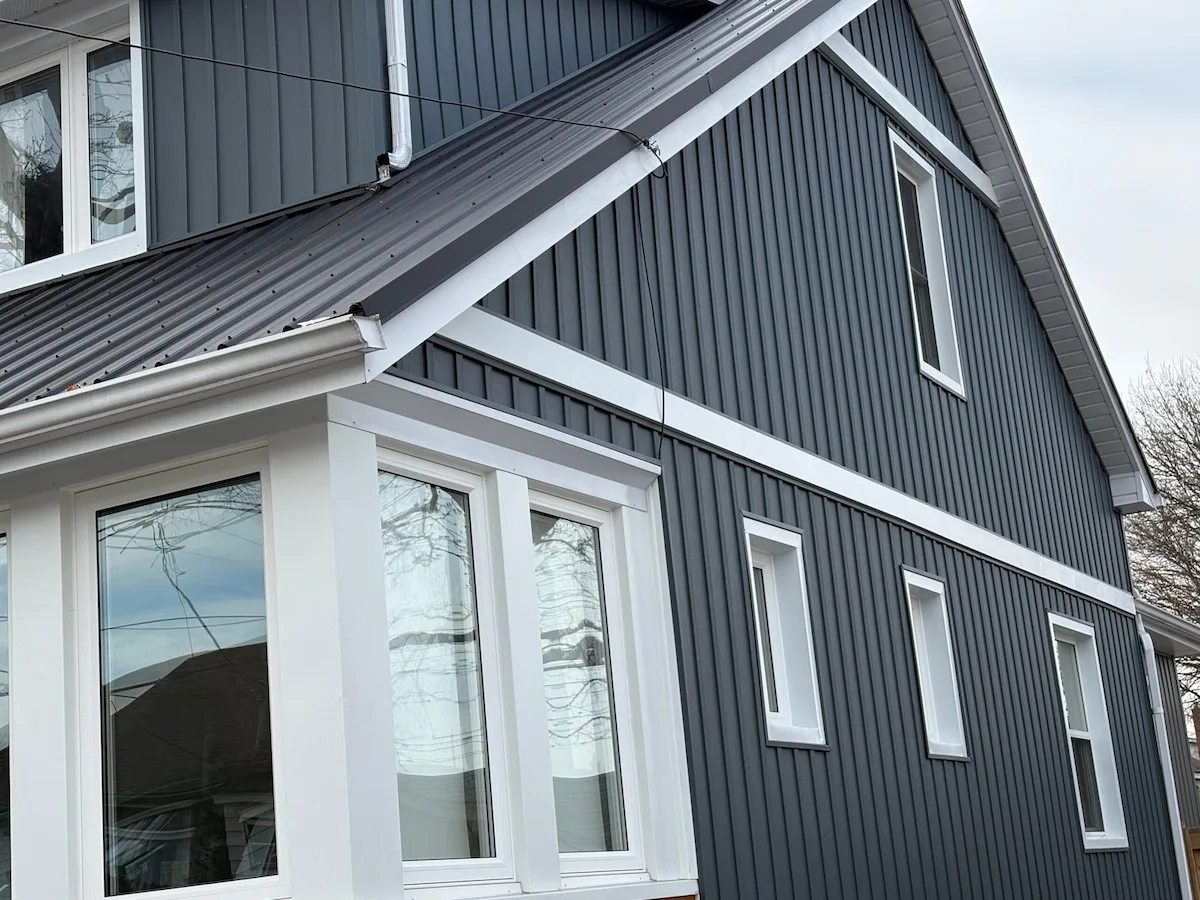
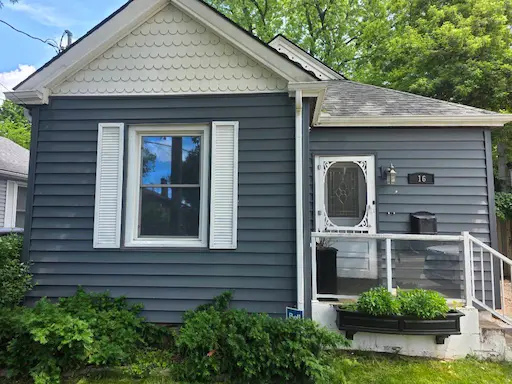
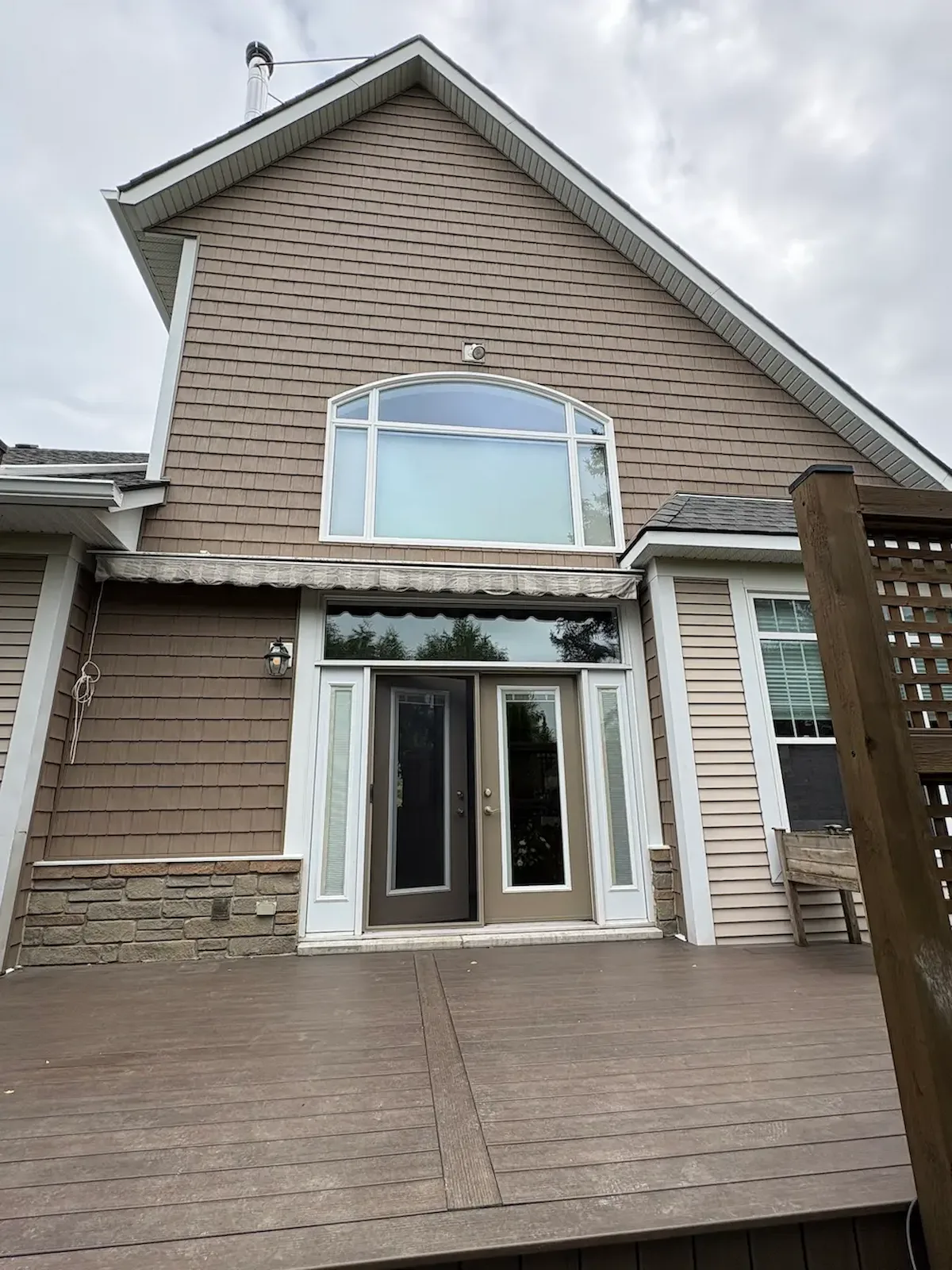
These projects show why siding decisions are easier to make when you consider the entire exterior rather than choosing a profile or colour by itself.
Siding FAQ
Questions About Choosing New Siding
These are some of the practical questions homeowners ask when comparing siding profiles, colours, insulation and exterior design options.
What type of siding does GNHE install?
GNHE installs Mitten vinyl siding, including traditional horizontal profiles and board-and-batten siding. Different profiles can also be combined when the architecture of the house provides a natural place for the siding treatment to change.
Is board-and-batten siding more expensive than horizontal siding?
It can be. Board-and-batten generally takes longer to install than horizontal siding because the vertical layout requires additional alignment, cutting and finishing. The overall cost also depends on the size and shape of the house, access, removal work, insulation and exterior trim.
Can exterior insulation be installed under new siding?
Yes. Depending on the existing wall assembly and the project, rigid exterior insulation can be installed before the new siding. This creates a more continuous insulation layer across the exterior areas being covered.
Can horizontal siding and board-and-batten be used together?
Yes. Gables, upper levels, additions and other architectural breaks can provide natural places to change siding profiles. Changing the direction of the siding can also create contrast without requiring a second exterior colour.
How should I choose a siding colour?
Start with the materials that are staying on the house. Brick, stone, roofing, windows, doors, soffit, fascia and trim can all affect how a siding colour looks once it covers a full exterior. Compare samples outside in natural daylight and beside those existing materials before making the final choice.
The right siding choice depends on the house itself. Profile, colour, existing materials and the condition of the exterior should be considered together rather than as separate decisions.
Warranty & Support
Understand What Your Siding Warranty Covers
Your siding project can include two different types of warranty coverage: the manufacturer warranty on the siding product and GNHE's workmanship warranty on the installation. They cover different responsibilities.
Mitten Manufacturer Warranty
Mitten provides manufacturer warranty coverage for its siding products according to the terms and conditions of the applicable warranty.
- Covers the manufactured siding product according to Mitten's applicable warranty terms.
- Coverage and conditions are determined by the specific Mitten product and warranty documentation.
- Manufacturer warranty claims and product coverage are separate from GNHE's installation workmanship coverage.
GNHE 5-Year Workmanship Warranty
Great Northern Home Exteriors provides a 5-Year Workmanship Warranty on our siding installation.
- Covers installation-related workmanship issues for five years from the installation date.
- Applies to the siding installation work completed as part of the GNHE project.
- If an issue is determined to result from our workmanship, GNHE addresses the affected installation according to our workmanship warranty.
Two different responsibilities.
Mitten stands behind the siding it manufactures. GNHE stands behind the workmanship of our siding installation for five years. Keeping those warranties separate makes it clear who is responsible if a problem occurs.
Local Siding Installation
Choose your community to view local information about siding profiles, colours, exterior preparation and installation options available in your area.
Do not see your community? GNHE serves homeowners throughout Niagara and nearby areas. Send us your project location and we will confirm availability.
Ask About Your LocationReady to Take the Next Step?
Get a Clear Siding Estimate for Your Home
We’ll look at your existing exterior, discuss the siding profiles and colours you’re considering, explain any preparation or insulation that may be required and provide a clear estimate for the work.