
Can I Install Siding Myself or Should I Hire a Pro?
Many homeowners wonder whether siding installation is a realistic do-it-yourself project or something that should be left to an experienced crew. The honest answer is that small repairs can be manageable, especially if one panel has been damaged, but anything larger usually turns into a much bigger job than expected. Once insulation, trim details, fascia tie-ins, window capping, and long-term weather protection come into play, the quality of the installation matters just as much as the product itself.
When DIY Siding Might Be Fine
In some cases, a homeowner can handle a small siding repair without too much trouble. If one piece has cracked from impact or a single panel has come loose, replacing that section may be possible with the right tools and a careful approach. That kind of repair is very different from reworking a full wall or installing siding across an entire home.
The problem is that many people start with the idea that siding looks simple because the finished product appears clean and uniform. In reality, the finished look only happens when the prep, layout, fastening, trim work, and tie-ins are all done properly from the start.
Where DIY Often Starts to Go Wrong
One of the most common mistakes is fastening the siding too tightly. Vinyl siding expands and contracts slightly as temperatures change through the seasons. If it is locked down too hard, the panels cannot move the way they are supposed to. That is when you begin to see buckling, warping, and uneven lines that stand out once the sun hits the wall.
Another issue shows up around windows and doors. We often see J-channels installed poorly or unevenly, which leaves the opening looking rough and unfinished. Even when the paneling itself is not terrible, messy trim work can make the whole job look off. It also increases the chance of moisture getting where it should not.
What We See on DIY Jobs That Need to Be Fixed
When homeowners attempt larger siding projects on their own, the same problems tend to show up again and again. Gaps can be left in the wrong places, corners may not line up cleanly, and the rows can drift as the wall goes up. Sometimes the finished siding looks wavy from one end of the house to the other. In more serious cases, those gaps can contribute to water issues behind the wall.
We have even seen people use screws instead of proper fastening methods. That is one of those “yikes” moments that usually tells you the installation is heading in the wrong direction fast. Siding needs to be installed in a way that allows movement while still keeping the system secure and neat.
What a Professional Siding Install Actually Includes
Homeowners often underestimate what happens before the siding itself even goes on the wall. A proper installation is not just about hanging panels. The prep work underneath is what helps the finished system perform well and look sharp for years.
On bigger projects, professional installers know how to handle insulation first, prepare the walls properly, and make sure everything is sealed the way it should be. They also know how to tie the work into the fascia, deal with window and door buildouts, and finish the capping neatly so the house looks complete instead of pieced together.
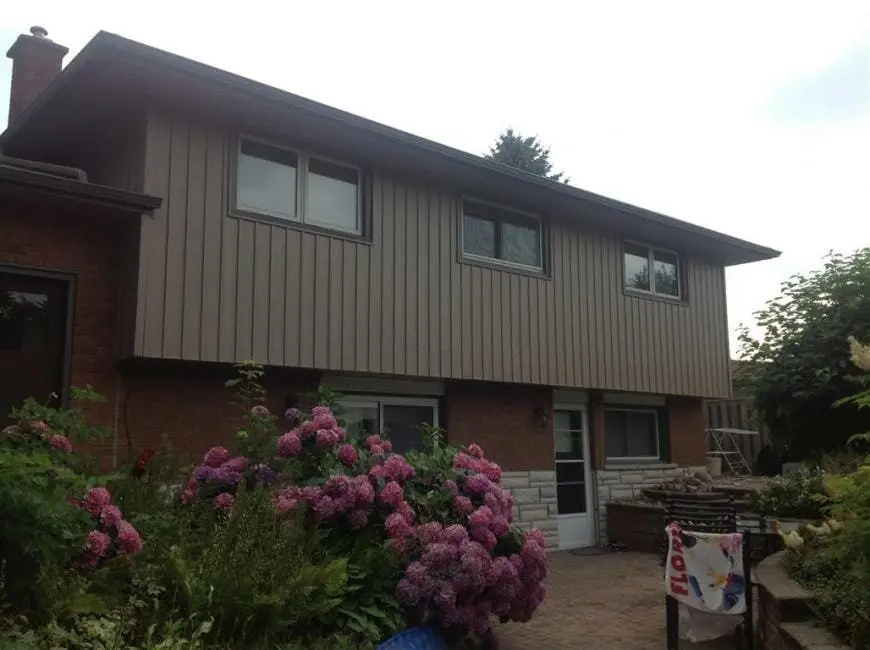
Done properly, new siding can completely change the appearance of a home. Good insulation prep, clean trims, and neat capping are the details that make the exterior feel finished and make the home look brand new instead of halfway updated.
Why Bigger Siding Jobs Are Best Left to a Pro
Once a project involves full walls, multiple elevations, corners, window openings, or trim transitions, the margin for error gets much smaller. At that point, the job is no longer just about attaching material to the house. It becomes about drainage, movement, appearance, sealing, and the long-term performance of the exterior system.
That is why the best rule of thumb is simple: small repairs are okay, but anything bigger is best left to a siding professional. The upfront cost of hiring the right team is often far less painful than paying to fix buckling panels, water-related damage, sloppy trim work, or a full reinstall later.
Choosing the Right Route for Your Home
If you are debating whether to handle the work yourself, it helps to be realistic about the scope of the project. Replacing one damaged panel is one thing. Re-siding part of a home, dealing with window details, or trying to make multiple sides line up properly is another story entirely.
If you are still planning your project, you may also want to read our guide on why premium vinyl siding is built for Niagara homes. It explains why product quality and proper installation matter together, especially when the exterior has to hold up through changing conditions year after year.
And if you are at the stage where you are comparing companies, our article on how to choose the best siding contractor near you in Niagara is a helpful next step. It covers what to look for before committing to a siding crew and how to avoid common mistakes when hiring.
For product information and inspiration, it is also worth browsing Mitten Siding to get a better sense of styles, colours, and system options available for modern homes.
Need Help With a Larger Siding Project?
If your job is more than a small repair, it usually makes sense to have it looked at by an experienced installer. Great Northern Home Exteriors has been helping homeowners since 2009 with clean, professional exterior upgrades that are built to last and finished with care.
Small repair? Maybe doable. Bigger project? Best bet is to contact a siding professional before a simple job turns into a costly redo.