
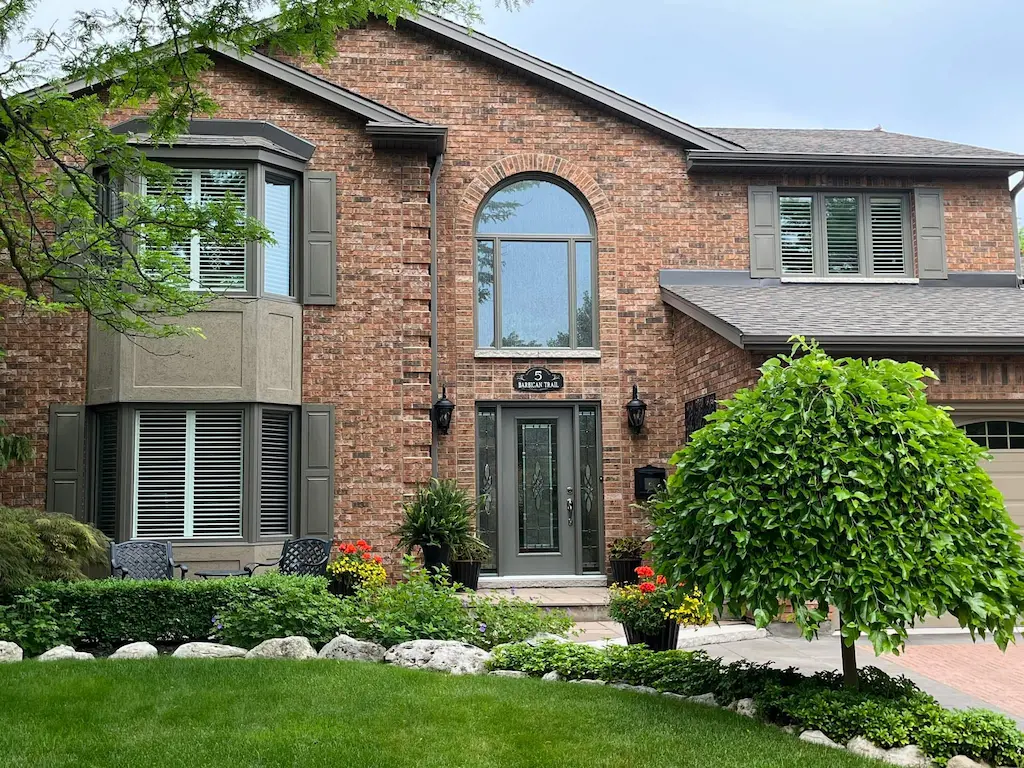
KV Custom Replacement Windows for Your Home
Compare window styles, glass packages, colours and installation options for different rooms and openings. KV Custom Windows are made in Canada, built to order and installed by GNHE with i89 glass included as standard.
How KV Custom Windows Are Built
A window is a group of connected parts. The frame, glass, seals and hardware must all work together. Here is what each part does and why it matters once the window is installed.
Multi-Chambered Vinyl Frame
The frame contains internal chambers that add structure and help reduce heat transfer through the vinyl. The finished surface does not require routine painting.
Why it matters: a rigid, low-maintenance frame around the opening.Fusion-Welded Corners
The vinyl frame and sash corners are welded together rather than joined with separate corner fasteners. This creates clean, rigid joints at each corner.
Why it matters: the frame is built to hold its shape through regular use.Insulated Glass Unit
Multiple panes, Low-E coatings, gas fill and the spacer system form one sealed glass unit. Available configurations depend on the selected window style and size.
Why it matters: the glass package affects comfort and thermal performance.Hardware, Seals & Drainage
Locks, handles, hinges, weatherstripping and drainage details are matched to the way each window opens, closes and manages incidental water.
Why it matters: these components support operation, closure and weather protection.Specifications vary by configuration. Frame profiles, reinforcement, hardware and available glass packages can change according to the window style, dimensions and selected product series. The glass section explains the available performance choices in more detail.
View the KV Windows Catalogue Product details, styles and available optionsChoose How Each Window Should Work
Window style determines how the sash opens, how much air can enter and whether the window projects outside the home. The best choice depends on the room, the opening and the amount of ventilation you want.
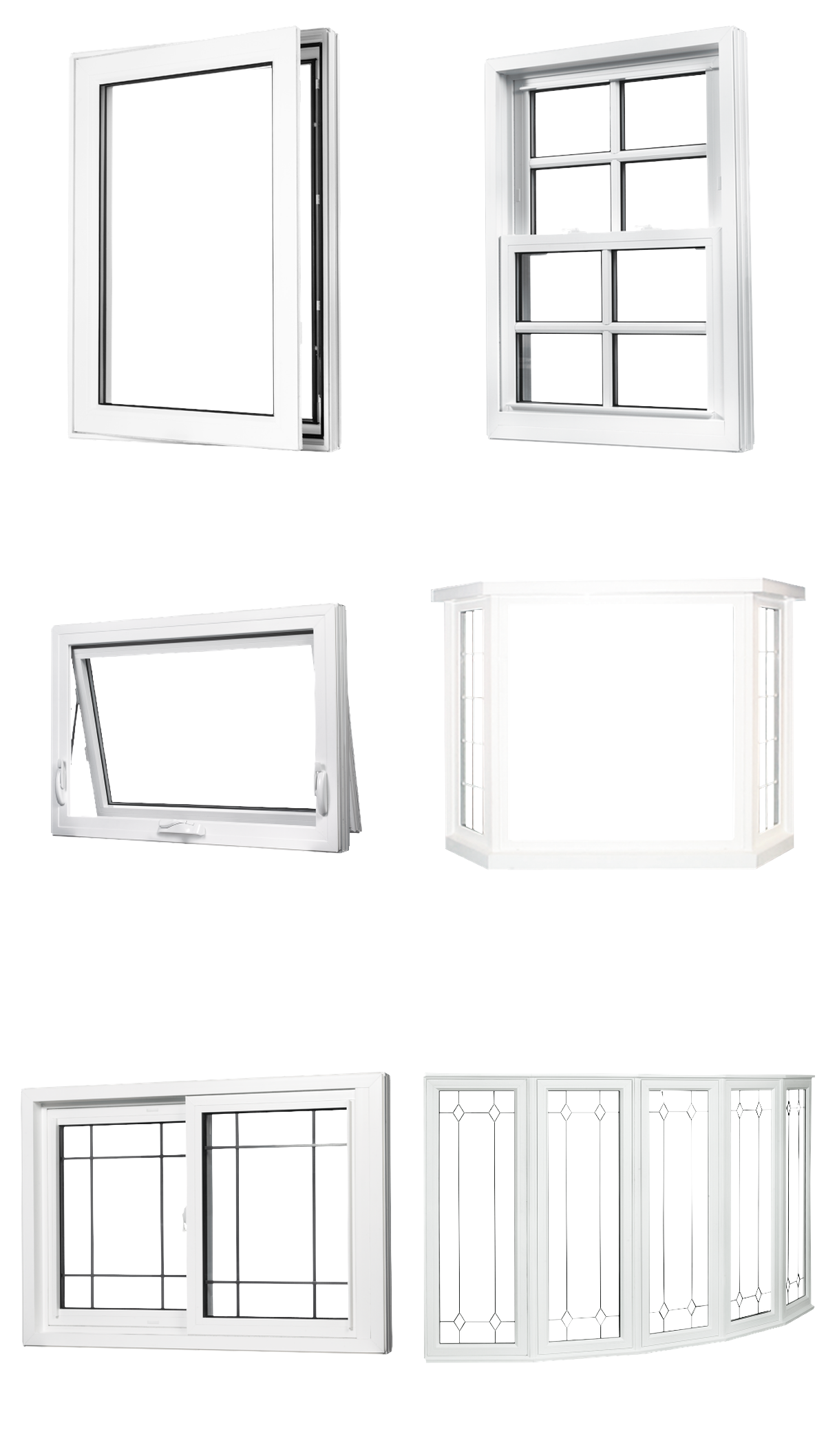
This guide shows the basic proportions and operating direction of common window configurations.
Compare the Most Common Window Styles
Fixed and operating windows can also be combined when a room needs both a larger glass area and ventilation.
Casement Windows
A casement sash opens outward using a crank. When locked, the sash pulls against the frame’s weather seals to create a firm closure.
You want broad ventilation, an unobstructed view and enough outdoor clearance for the sash.
Awning Windows
An awning sash is hinged at the top and opens outward from the bottom. Its wider, shorter shape works well by itself or below fixed glass.
A smaller opening needs ventilation or an operating section is being added beneath a picture window.
Sliding Windows
One or more sashes move horizontally along the frame. Because nothing swings outward, the window does not require exterior operating space.
The opening is wider than it is tall or sits beside a walkway, deck or another area with limited clearance.
Double-Hung Windows
The upper and lower sashes move vertically. Either sash can be opened, allowing air to enter through the lower or upper part of the window.
You prefer traditional proportions and need ventilation without an outward-opening sash.
Picture Windows
A picture window does not open. Its fixed construction allows for a larger uninterrupted glass area where natural light and the view are the priorities.
The room does not need ventilation or the fixed unit can be combined with nearby casement or awning windows.
Bay & Bow Windows
Bay and bow assemblies extend beyond the exterior wall. A bay normally uses three defined sections, while a bow uses several sections to form a gentler curve.
You want additional interior depth, wider viewing angles and a more prominent exterior feature.
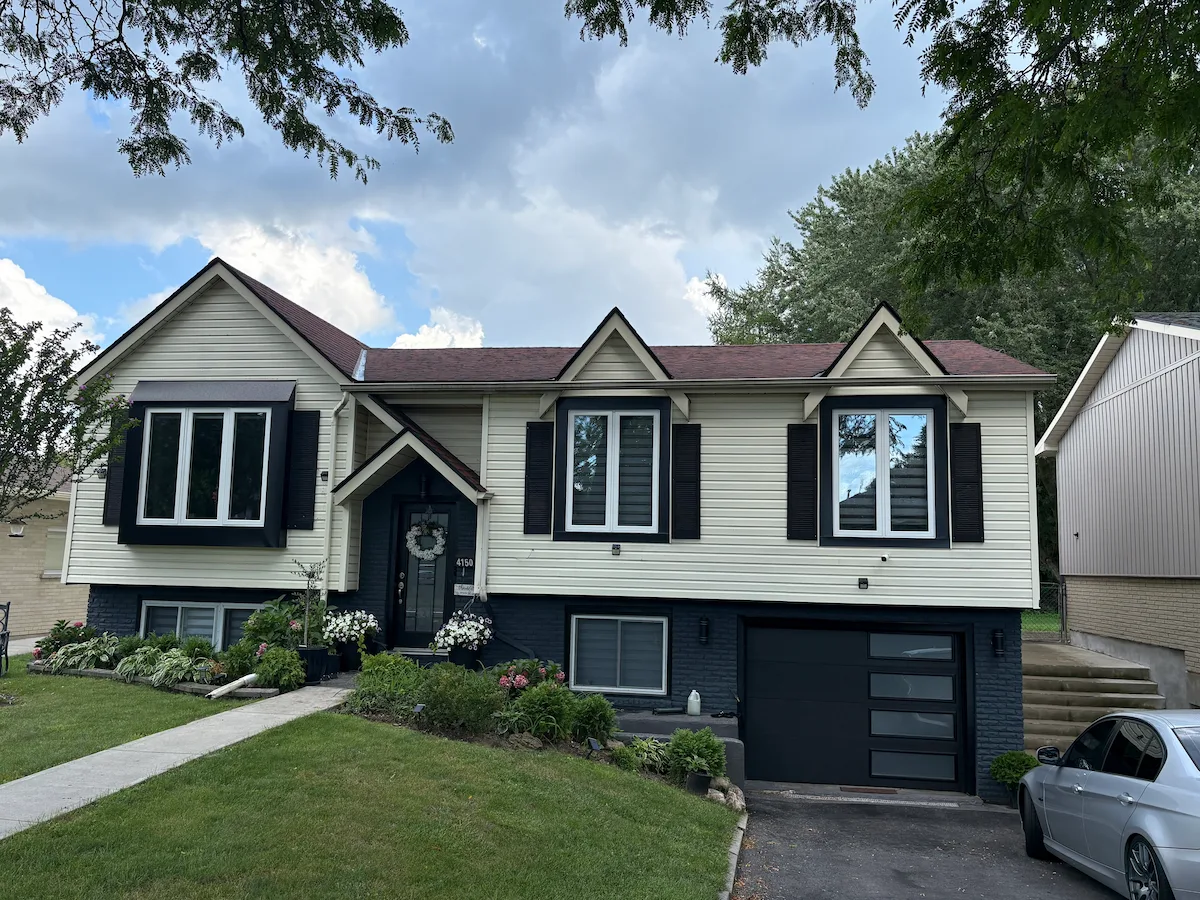
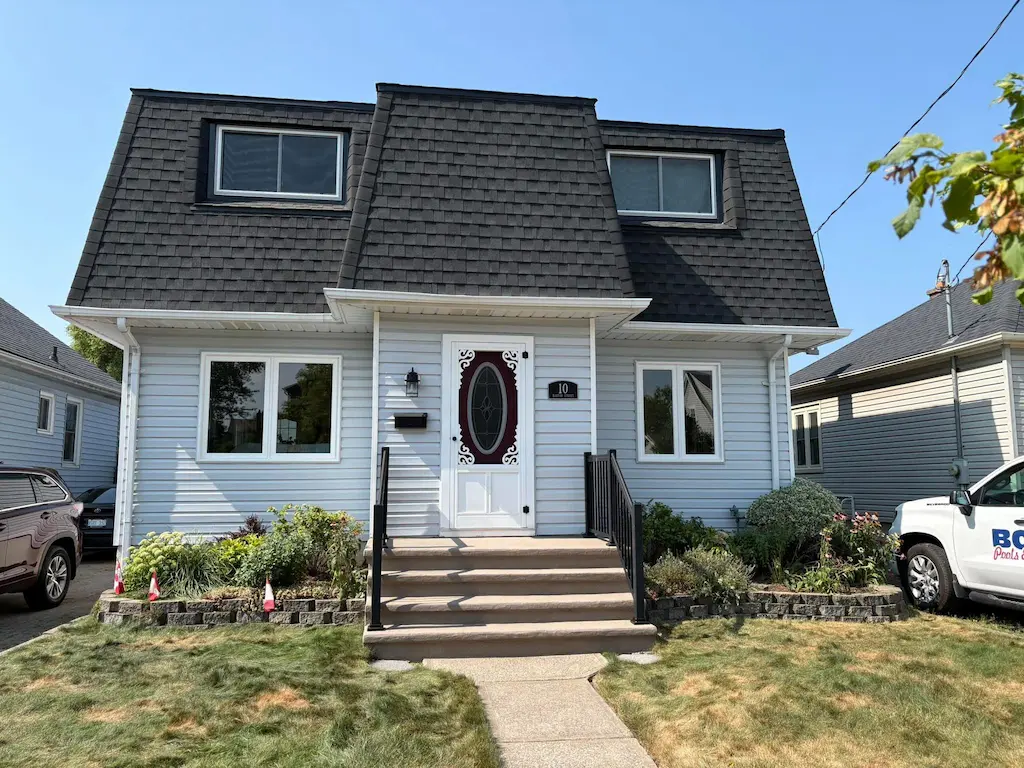
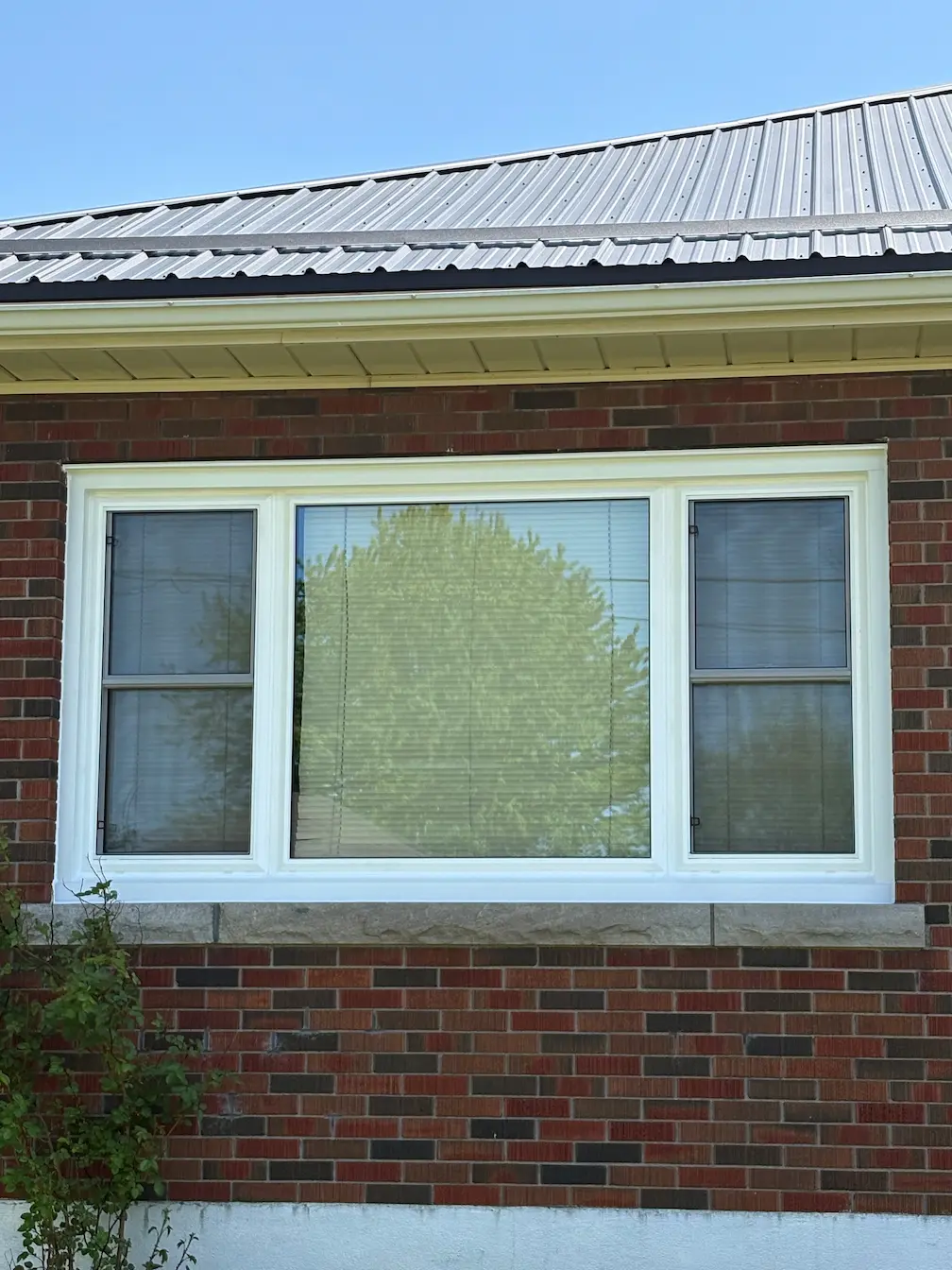
Window Styles in Completed GNHE Projects
These completed installations show how different operating styles can be used by themselves or combined within the same elevation.
See More Completed Window Installations
Visit the installation gallery to see additional window styles, operating combinations, interior trim and exterior finishing details.
Retrofit or Full-Frame Window Installation?
The window and the installation method are two separate decisions. KV Custom Windows can be ordered for either method. The condition of the existing frame and the work required around the opening determine which approach makes sense.
The Existing Opening Should Be Inspected First
Full-frame installation is not automatically necessary for every home, and retrofit installation is not appropriate for every opening. GNHE checks the visible condition, measurements and construction of each opening before recommending an installation method.
Window Colours, Interior Finishes and Grille Patterns
The exterior colour affects how a window works with the home’s siding, brick and trim. Interior finishing determines how the new window meets the room, while optional grilles change the appearance of the glass.
Exterior Window Colours
Exterior finishes can coordinate with the existing trim or create deliberate contrast around each opening. Availability varies by window style, size and product series.
Interior Finishing
The visible frame is only one part of the interior result. Jamb depth, casing and surrounding wall finishes must also be considered when the window is measured.
Interior Frame Colour
The visible window frame should work with the room’s trim, wall colour and other permanent finishes.
Jamb Extensions
Jamb extensions bridge the depth between the window frame and the finished interior wall.
Interior Casing
Casing covers the finished transition between the jamb and wall and completes the interior opening.
Grille and Muntin Patterns
Grilles add lines to the glass and change the character of the finished window. The pattern should suit the window’s proportions and the architecture of the home.

Confirm Colours Using Current Samples
Colours shown on a phone or computer screen are approximate. Final exterior colours, grille profiles and availability should be confirmed using current samples and product documentation before the windows are ordered.
Understanding Your Window Glass Package
The sealed glass unit covers most of the window opening, so it plays a major role in comfort and thermal performance. Pane count, coatings, gas fill, spacer construction and window size must work together as one package.
Every GNHE Window Includes i89 Glass
i89 is a room-side Low-E coating that reflects interior heat toward the room and helps the inside glass surface remain warmer during cold weather. It works with the other components in the sealed glass unit.
Low-E Coatings
Low-emissivity coatings reduce radiant heat transfer through the glass. Different coatings can be used to address winter heat loss, summer solar heat and ultraviolet exposure.
The appropriate coating depends on sun exposure, window direction and how the room is used.
Argon Gas Fill
Argon is a colourless, odourless gas sealed between the panes. It conducts heat less readily than ordinary air and supports the insulating performance of the unit.
Its effectiveness also depends on pane spacing, coatings and spacer construction.
Spacer and Edge Seal
The spacer separates the panes around the edge of the glass, while the seal helps maintain the enclosed space that contains the insulating gas.
Edge construction is part of the complete sealed unit, not merely a border around the glass.
Double-Pane and Triple-Pane Glass
Double-Pane
Two panes create one sealed cavity. A properly configured double-pane unit provides a practical balance of thermal performance, unit weight and cost for many window openings.
Triple-Pane
Three panes create two sealed cavities. This can provide stronger thermal performance for comfort-sensitive rooms, larger glass areas or higher performance goals.
Pane count alone does not determine sound reduction. Glass thickness, pane spacing, laminated glass, frame design and installation can also affect acoustic performance.
The Complete Package Matters
No single glass feature determines overall window performance. GNHE considers the size and direction of the opening, the way the room is used and the available KV configuration before the order is finalized.
Straight Answers, Careful Installation and Service After the Job
We explain the available options, tell you when an upgrade is useful and tell you when it is not. You receive written pricing, professional installation and a local company you can contact if you need help after the work is complete.
Clear Recommendations
We explain window styles, glass, finishes and installation methods in plain language. Each recommendation is based on the opening and how the room is used—not on forcing the same package into every part of the home.
Written Pricing Before Work Begins
Your estimate identifies the windows, installation method and included finishing work. You can review what is being supplied before making a decision, without a high-pressure sales routine.
GNHE Installation Crews
Our installation team measures, installs, finishes and tests the windows included in your project. We do not hand you a product and leave you to coordinate the remaining work yourself.
Service After Installation
If you have a question or service concern after the installation, you contact GNHE. We review the issue and determine whether it relates to installation, adjustment or manufacturer coverage.
What We Do Before We Call the Installation Complete
Check the Installation
The installed units are checked for operation, closure and the finishing work included in the project.
Review the Finished Work
We review the completed installation and can show you how the windows open, lock and tilt where applicable.
Clean the Work Area
Installation debris is removed from the immediate work area before the crew leaves the project.
Product and Workmanship Coverage
Manufacturer coverage is governed by the written warranty for the selected KV product. GNHE provides a separate five-year workmanship warranty on qualifying installation work. Read the GNHE workmanship warranty.
Window Replacement Across Niagara and Nearby Communities
GNHE installs KV Custom Windows throughout Niagara and selected nearby communities. Choose your location to view window information prepared for homeowners in that area.
Do Not See Your Community?
Our installation area extends beyond the locations shown. Check the complete service-area page or contact GNHE with your project address to confirm availability.
Window Replacement FAQ
These are some of the practical questions homeowners ask when comparing window styles, glass packages and installation methods.
What is the difference between retrofit and full-frame window installation?
A retrofit installation places the new window inside a suitable existing frame. The original frame remains and is finished around the new unit.
A full-frame installation removes the complete existing window assembly, providing access to the opening before the new window, interior jambs and exterior finishes are completed. GNHE examines the existing opening before recommending either method.
Which window style should I choose for each room?
The appropriate style depends on the shape and location of the opening, the amount of ventilation you want and whether the sash has enough room to open. Casement and awning windows open outward, sliders and double-hung windows operate within the frame, and picture windows provide fixed glass where ventilation is not required.
Different styles can also be combined when a room needs both a larger viewing area and an operating section.
Does every window installed by GNHE include i89 glass?
Yes. GNHE includes i89 glass as standard in every window package. i89 is a room-side Low-E coating that reflects interior heat toward the room and helps the inside glass surface remain warmer during cold weather.
It works as one part of the complete sealed glass unit alongside the other coatings, gas fill, spacer and pane configuration.
Should I choose double-pane or triple-pane windows?
A properly configured double-pane window can provide a practical balance of thermal performance, unit weight and cost for many openings. Triple-pane glass creates an additional sealed cavity and may provide stronger thermal performance for larger windows, comfort-sensitive rooms or higher performance goals.
Pane count should be considered with the window size, orientation, coatings, spacer construction and how the room is used—not treated as the only measure of window performance.
How long does window installation take?
Installation time depends on the number and size of the windows, whether the project uses retrofit or full-frame installation and the finishing work required around each opening. Larger assemblies, bay and bow windows, opening repairs and extensive interior work can require additional time.
GNHE reviews the expected installation schedule with you before the work begins.
What warranties apply to my new windows?
KV Custom Windows provides its written manufacturer’s warranty for eligible window components. The exact coverage depends on the selected product, glass package, finish and written warranty terms.
GNHE separately provides a 5-year workmanship warranty on qualifying installation work. Product coverage and installation coverage remain separate so it is clear which company is responsible for each part of the completed project.
Ready to Plan Your Window Replacement?
Tell us what you want to improve and we will inspect the existing openings, explain the available KV window options and provide clear written pricing for the recommended installation approach.
No obligation. No high-pressure sales routine. Just the information you need to decide what makes sense for your home.
Clear Information Before You Decide
- Measurements and a review of the existing openings
- Window style, glass and finish recommendations
- Retrofit or full-frame installation guidance
- A written estimate showing the included work
Product availability is confirmed before ordering.