Why Window Installation Matters More Than the Window Itself (Lessons from Niagara Homes)
When homeowners shop for new windows, the conversation usually starts with brand names, glass technology, and energy ratings. Those things matter — but here’s the part most people don’t realize until it’s too late: in real-world homes, installation quality often matters more than the window you choose.
The uncomfortable truth about window performance
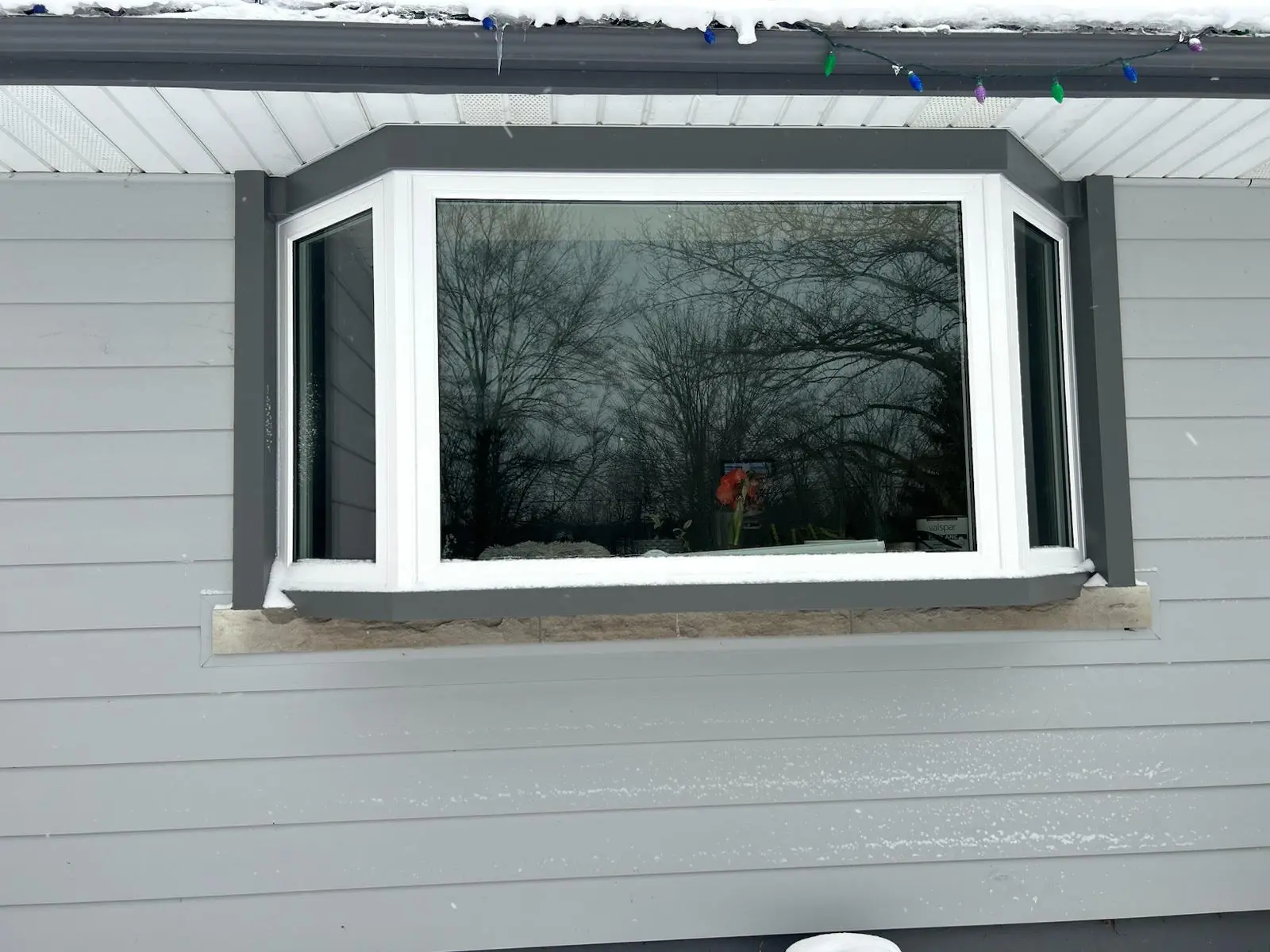
Manufacturers test windows in controlled environments. In those lab conditions, a top-tier window can look incredible on paper. But your home is not a lab. Once a window is installed in an actual wall — with framing, insulation, air movement, temperature swings, and moisture — everything depends on how well that window was fitted, sealed, and integrated into your home.
A weak installation can lead to:
- Air leaks and drafts
- Cold spots around the frame
- Condensation buildup
- Reduced energy efficiency
- Premature wear on the window and surrounding materials
Retrofit vs full-frame: why this matters in Niagara
One of the biggest decisions homeowners face is whether to choose a retrofit (insert) replacement or a full-frame replacement.
A retrofit install can work in certain situations, but it often leaves the original frame, hidden damage, or deteriorated insulation in place. That means you might be installing a brand-new window into an old, compromised opening — which limits performance right from day one.
A full-frame replacement, on the other hand, allows installers to remove everything down to the rough opening, inspect the structure, address any rot or moisture issues, properly insulate, and then install the new window the right way. In a variable climate like Niagara, that level of control can make a noticeable difference in comfort.
What “good installation” actually looks like
A quality install should include:
- Proper leveling and squaring of the window
- Strategic shimming to keep everything stable
- Low-expansion foam insulation around the frame to seal air gaps
- Careful air sealing to prevent drafts
- Appropriate weatherproofing and flashing where needed
- Clean, secure finishing inside and out
Why this is especially important for Niagara homes
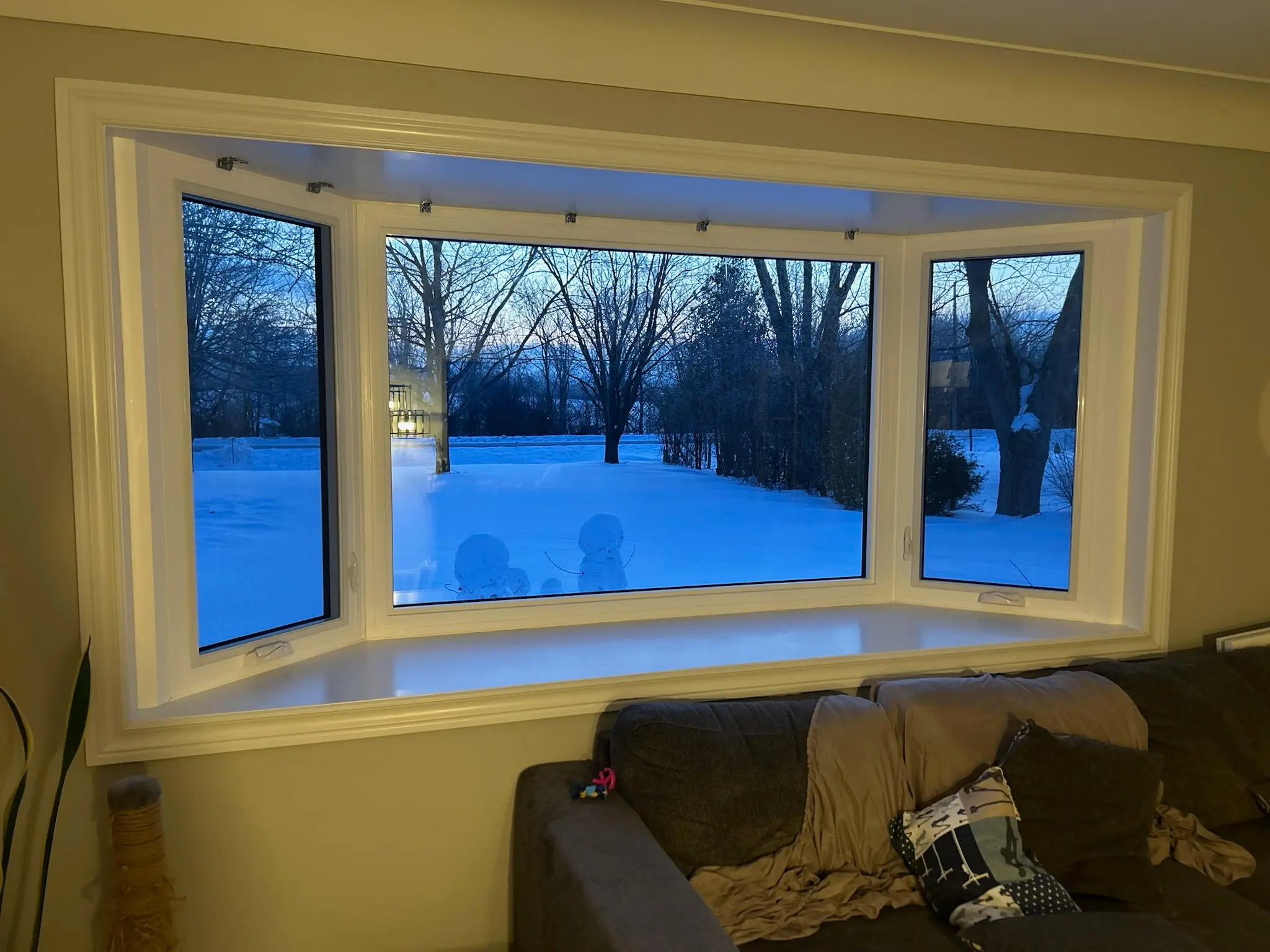
Homes across St. Catharines, Welland, Niagara Falls, and Port Colborne face tough conditions. Cold winters, freeze-thaw cycles, and aging housing stock mean that installation quality is constantly being tested.
Pro tip: If you’re comparing glass options, it helps to understand what you’re actually buying. Here’s a simple breakdown of how I-89 works and why it’s popular in colder climates: https://gnhe.ca/what-is-i89-glass/
Don’t just shop for windows — shop for your installer
If you’re considering new windows, it’s worth asking detailed questions about the installation process, not just the product. Ask how the company seals and insulates their windows. Ask whether they inspect the opening. Ask whether they recommend retrofit or full-frame for your home — and why.
For homeowners researching options like window replacement, the best decision isn’t just about glass or frame style — it’s about choosing an installer who takes installation seriously.
At the end of the day, the window is only as good as the hands that put it in.