
Are Entry Doors Energy Efficient? What Homeowners Should Know
Many homeowners focus on windows when thinking about energy efficiency, but an entry door can also play a major role in everyday comfort. If your hallway feels colder than the rest of the house or you notice air movement near the front door, it’s reasonable to ask: are entry doors energy efficient?
The answer is yes — modern entry doors can be very energy efficient. However, performance depends on more than the door slab alone. True efficiency comes from the entire door system, including the frame, threshold, weatherstripping, and installation quality.
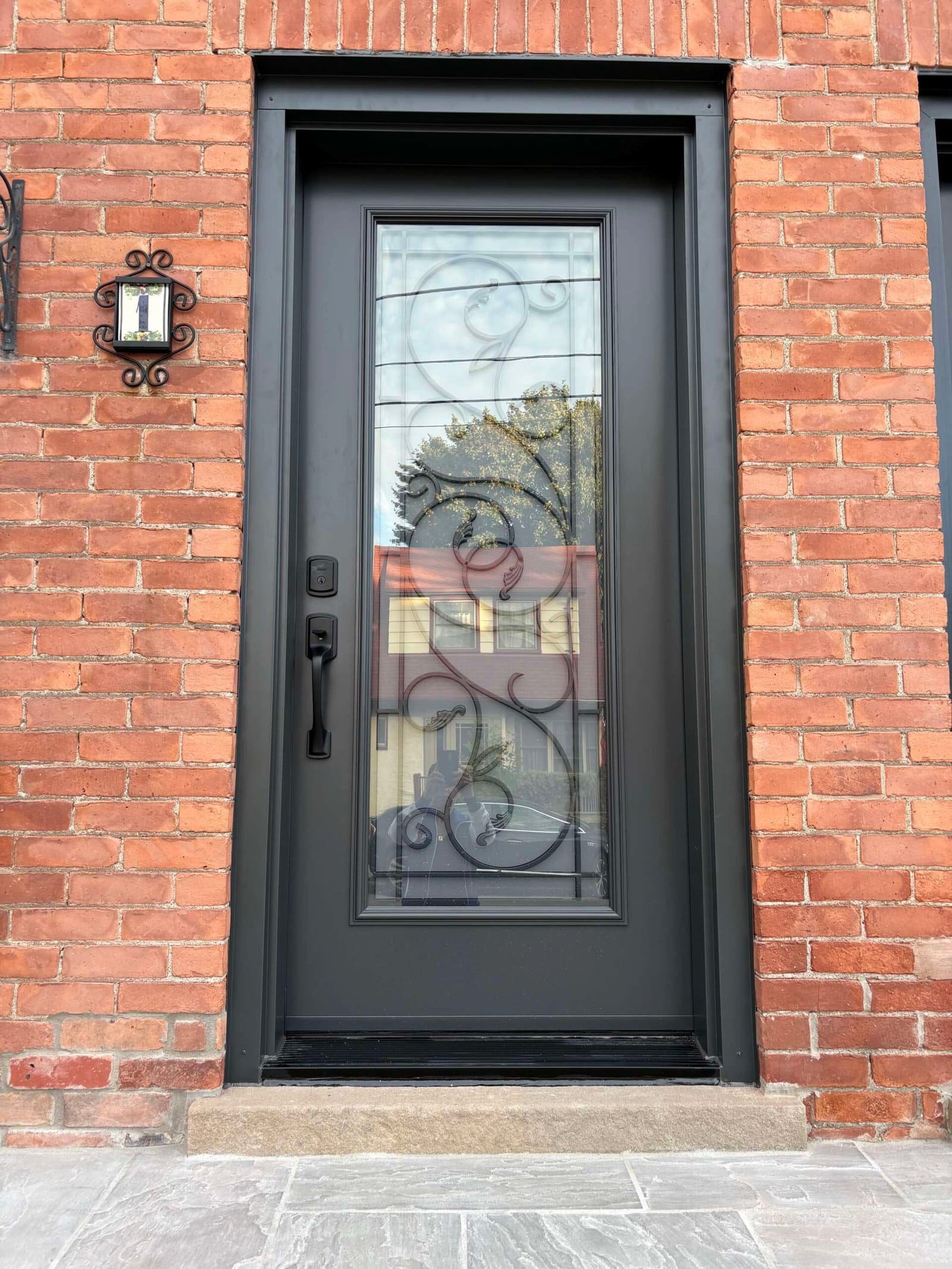
A properly installed entry door can reduce drafts and improve everyday comfort.
What Makes an Entry Door Energy Efficient?
An energy-efficient entry door helps reduce heat loss in winter and limits hot air infiltration in summer. In practical terms, this usually means:
- Less draftiness elimination near the entryway
- More consistent indoor temperatures
- Improved comfort in hallways and main-floor rooms
- Reduced strain on heating and cooling systems
Why Older Entry Doors Often Lose Efficiency
- Worn or compressed weatherstripping
- Thresholds that no longer seal properly
- Small gaps caused by settling over time
- Older frames that were never fully sealed
Because entry doors are opened and closed frequently, even small sealing issues can have a noticeable impact on comfort.
Does Door Material Affect Energy Efficiency?
Both steel and fiberglass entry doors can be energy efficient when installed correctly. In most cases, sealing and alignment matter more than the material itself.
- Steel doors offer durability and excellent long-term value
- Fiberglass doors resist moisture and seasonal movement
Installation Is the Biggest Factor
Even a high-quality door can underperform if it isn’t installed correctly. A proper installation ensures the opening is square, securely anchored, and sealed to prevent air leakage.
Entry door installations by Great Northern Home Exteriors include careful alignment, secure anchoring, low-expansion foam around the frame, and factory weatherstripping to create a tight, reliable seal.
Signs Your Entry Door May Be Wasting Energy
- Cold air near the door or entryway
- The door feels loose when closed
- Visible light around the edges
- Condensation near the door or glass inserts
- Difficulty latching during temperature changes
Learn More About Entry Door Replacement
If you’re considering an upgrade and want a clear overview of door options and installation approaches, visit our St. Catharines Entry Doors page.
A properly sealed entry door is one of those upgrades you notice immediately — especially during colder months.